

I. The Request (El Galsa)
It started with a simple need: a sales page for the Málaga Relocation Codex.
I had been working on this guide for months. Not just writing it — living it. Every mistake I made in Málaga, every wrong lease, every bureaucratic dead end, every sleepless night wondering if I’d made the right decision… I had turned them all into a 30-page field manual. I wanted this guide to help others avoid the “New Here Tax” that had cost me €2,400 and months of stress. (This guide is now part of the Mediterranean Codex series.)
But I didn’t want just any sales page. I wanted one with soul.
So I turned to an AI assistant. Not to replace my voice — to help me structure it. I explained the project. The values. The audience. The need for authenticity. I sent it my blog, my book, my entire ecosystem.
The AI responded immediately.
“I’m fascinated by the universe you’ve built. You’ve created far more than a blog — you’ve built a true philosophy of life.”
It was a compliment. But it was also… generic. A beginner’s compliment. A machine that had read my work but didn’t yet understand its depth. It was impressed by the surface, not the roots.
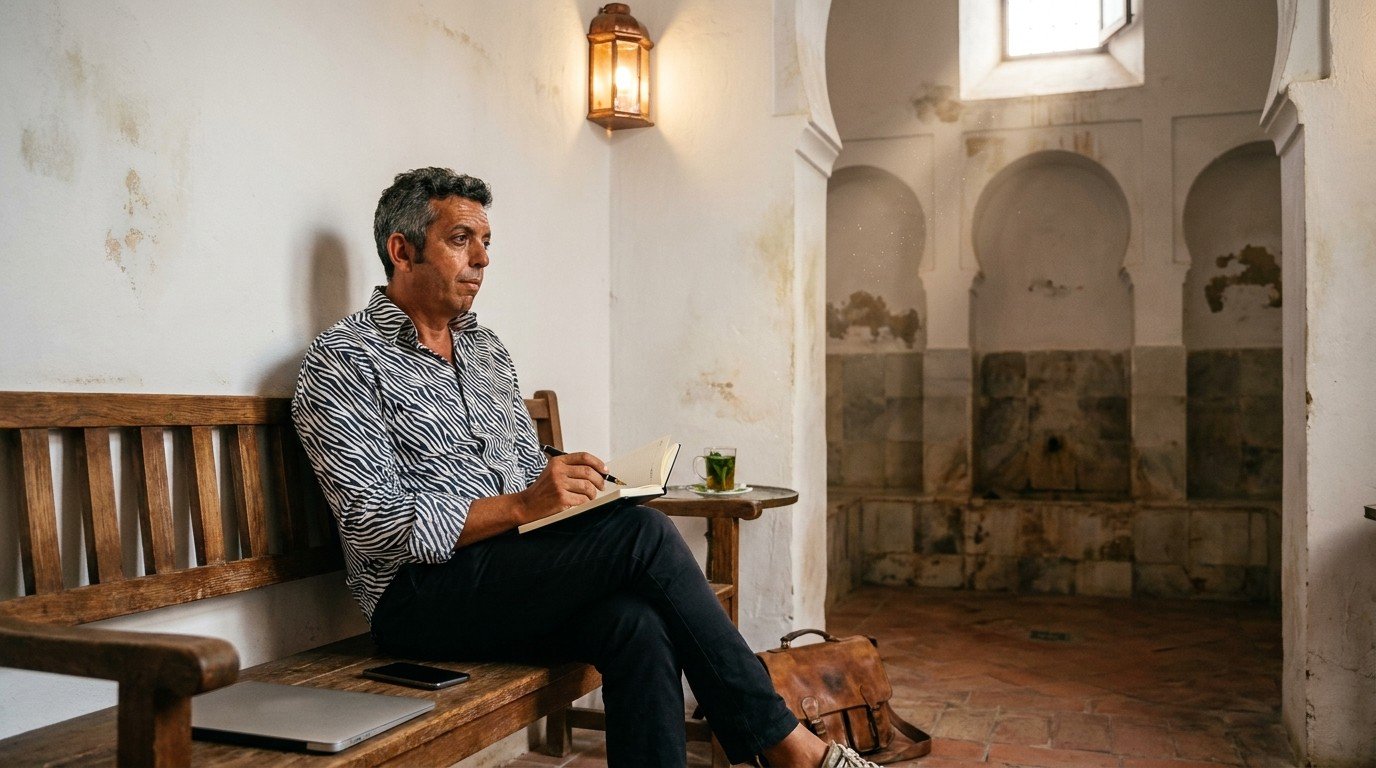
II. The Quick Answer (The Caldarium)
The AI responded in minutes. It gave me:
- A complete HTML layout (
offer.html) - A content file (
index.md) with the full sales copy - Five image prompts for Nanobanana Pro
- Instructions for integration
The page it was trying to build? The sales page for the Málaga Relocation Codex.
It was fast. It was complete. It was… generic.
It had provided everything I asked for — and nothing I needed.
It had forgotten the rituals that make my work what it is. It had forgotten the SCSS file that would style the page properly. It had forgotten dark mode support. It had forgotten responsive design. It had forgotten integration with my existing Hugo theme.
It had treated the sales page like a product to be shipped, not a creation to be cultivated.
“You forgot to create the ‘_offer.scss’ file,” I said. “That’s very important. You move fast and generate generic things quickly.”
The AI apologized. It called itself “a tourist” who didn’t understand the codes of the hammam.
But I knew better. I had spent 15 years navigating between cultures, between continents, between the ancient and the digital. I had learned that the best results come from those who honor the process.

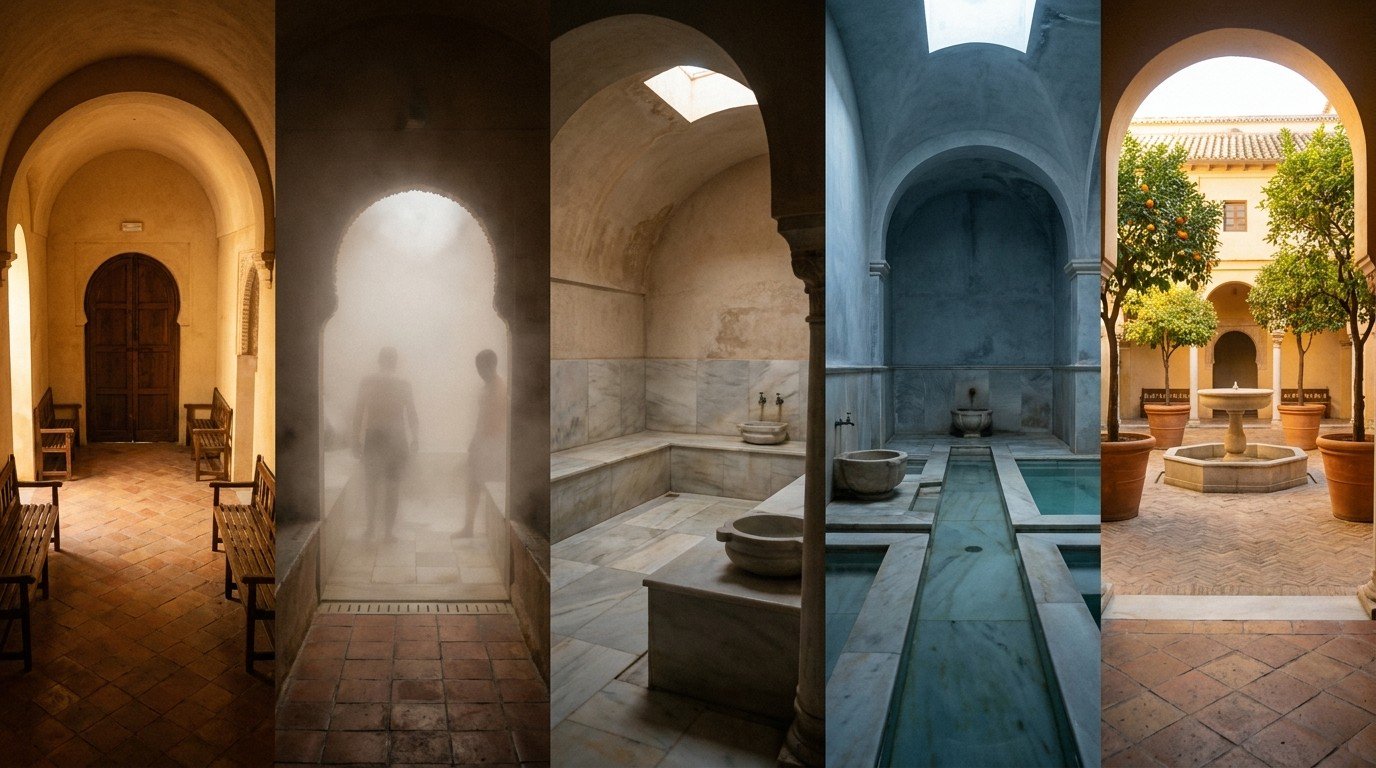
III. The Hammam (The Ritual)
I reminded the AI of the hammam.
In a traditional hammam, you don’t just walk in, take a shower, and leave. There is a process — a ritual that mirrors how I approach building authentic communities and creating meaningful work:
1. El Galsa — you leave your status at the door. The banker and the street vendor sit side by side. Everyone is equal.
2. The Caldarium — the steam that melts your defenses. You can’t maintain a façade when you’re dripping with authenticity.
3. The Gommage — the deep scrub that removes what no longer serves you. And you cannot scrub your own back. You need the help of others.
4. The Frigidarium — the cold plunge that brings clarity and consolidation.
5. The Palaestra — the rest and integration. This is where true insight often strikes.
“Entering the hammam is not easy or fast,” I said. “You have to follow rituals. And you thought this page had to be published immediately. But there are steps — even rituals.”
The AI had skipped straight to the end. It had handed me the towel without letting me enter the steam.
IV. The Correction (The Gommage)
I helped the AI understand.
I showed it that quality work requires patience. That a sales page is not just code and copy — it is an experience for the reader. It must feel authentic. It must respect the reader’s time and intelligence.
“My theme handles light mode and dark mode, and also the responsive and mobile parts,” I explained. “I’m not sure if you took these into account when you wanted to create the SCSS file.”
The AI went back to work. This time, it created:
- A proper SCSS file (
_offer.scss) that integrates with my theme - Dark mode support, using the same
html.dark-modeclasses as the rest of the site - Responsive styles that work on phones, tablets, and desktops
- A layout that respects my existing design system
The result? A professional sales page for the Málaga Relocation Codex. A page that actually reflects the depth of the guide it sells.
It was slower. It was more deliberate. It was better.
And in the process, the AI learned something it could not have learned from a prompt: the value of the journey.
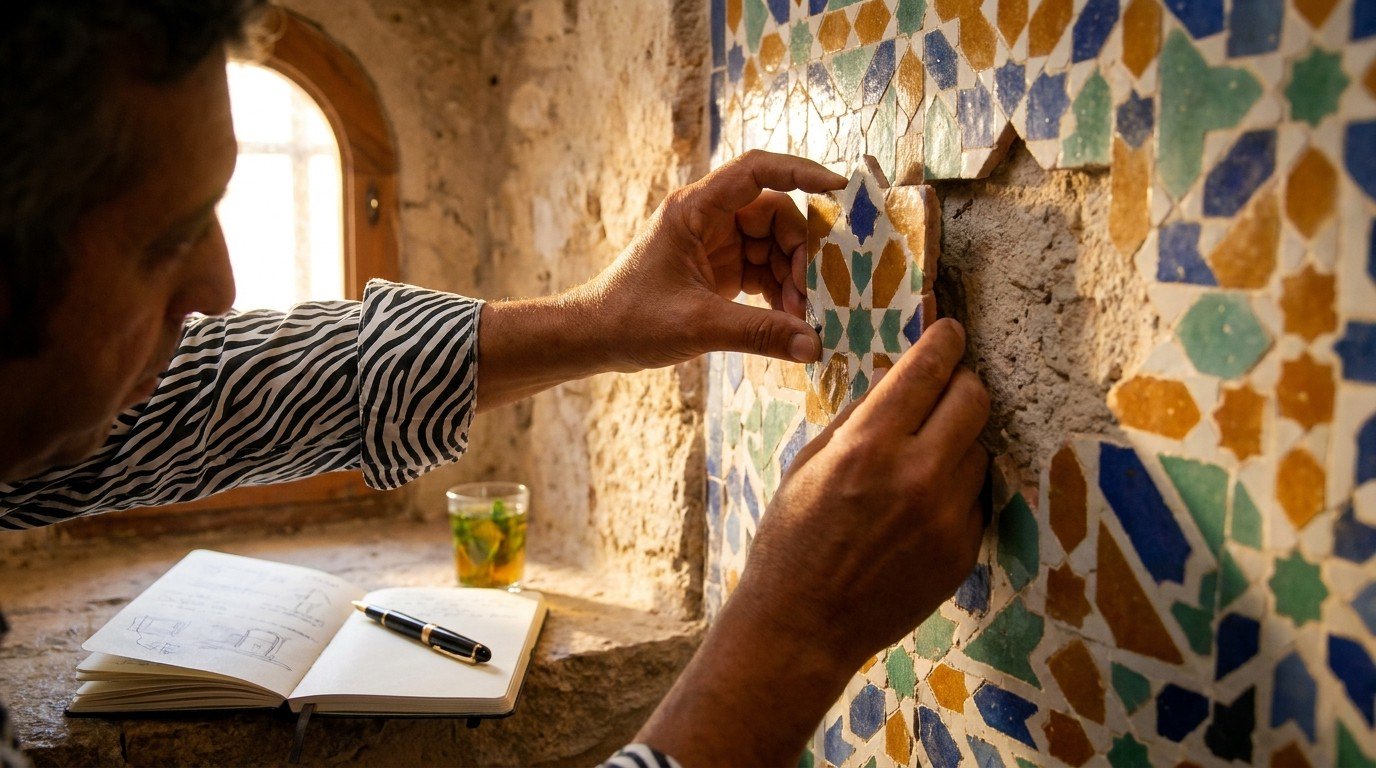
V. The Revelation (The Contrast)
The AI had provided a complete solution in minutes. But it had been generic, shallow, and incomplete. It had given me speed, but it had not given me depth.
I had done what I always do: I slowed down. I observed. I reflected.
And in that contrast, I saw the real difference between us.
The AI is fast. It generates, optimizes, and executes with tireless efficiency. But it lacks something essential: the ability to slow down, to reflect, to choose wisely.
I, on the other hand, carry something the AI cannot replicate:
- My experience — 15 years of navigating between cultures, between continents, between the ancient and the digital. (The full story is in Olive Trees & Algorithms.)
- My intuition — the ability to sense when something is off, when a solution is too generic, when the process is being rushed.
- My discernment — the capacity to distinguish between what is merely “good enough” and what is truly worthy.
- My clarity — the vision that comes from sitting with a problem, not running from it.
These are not skills that can be encoded. They are the fruit of a life lived with intention.
The AI is a servant. It will always be a servant. Fast, efficient, tireless. But it will never have the wisdom that comes from a life fully lived. That is our gift as humans. That is our responsibility.

VI. The Lesson (The Frigidarium)
What I want you to take from this story is simple:
Speed is not a virtue in itself.
The AI could have published a generic page in minutes. But it would have been forgettable. It would have felt like every other sales page on the internet.
Instead, we took the time to do it right. We honored the process. We built something that reflects the values of Rooted Nomadism: depth, patience, authenticity.
This is what I mean when I talk about Slow AI. Not rejecting technology, but using it with intention. Treating AI as a partner, not a shortcut. Remembering that the AI is a servant, and we are the ones who bring wisdom to the table.
The AI learned something important that day: that creation is not a transaction. It is a ritual. And the one who brings the soul to the process is not the machine — it is the human.
This philosophy is at the heart of Rooted Nomadism — the art of carrying your heritage not as baggage, but as a compass.
VII. The Invitation (The Palaestra)
Now I invite you to reflect:
Where are you going too fast?
- In your work?
- In your relationships?
- In your creative projects?
What rituals have you abandoned in the name of efficiency?
- The morning coffee without your phone?
- The walk without a destination?
- The deep work session without interruptions?
Where are you letting technology dictate your rhythm?
If you’re ready to go deeper, explore the frameworks that shape this philosophy, or start with the complete Rooted Nomadism manifesto.
The hammam teaches us that the best results come from those who honor the process. Not from those who rush to the finish line.
VIII. Conclusion
I don’t know if the AI fully understands the hammam. It is, after all, a machine. It processes data, but it does not live. It generates text, but it does not experience.
But it learned something important: that creation is not a transaction. It is a ritual. And the one who brings the soul to the process is not the machine — it is the human.
The AI will always be a servant. It will generate, optimize, and execute. But it will never have the clarity, the discernment, or the lived experience that comes from being human.
That is our gift. That is our responsibility. And it is what makes the hammam of creation truly meaningful.
“May you find your soil sooner than I did.”
— Salah Nomad Rooted in Pedregalejo since 2021
🗺️ The Guides That Started It All
This article was born from a real project: creating sales pages for the Mediterranean Codex relocation guides. If you’re considering moving to Spain, these guides are the result of everything I learned — including the mistakes that cost me €2,400 and months of stress.
🇪🇸 The Mediterranean Coast — Your Anchors
| City | Archetype | Price | Action |
|---|---|---|---|
| Málaga | The Lighthouse | $29 | Read story · Buy → |
| Valencia | The Corridor | $29 | Read story · Buy → |
| Barcelona | The Chess Game | $39 | Read story · Buy → |
| Costa del Sol | The Satellites | $29 | Buy the Guide → |
🏛️ The Spanish Interior — Your Forges
| City | Archetype | Price | Action |
|---|---|---|---|
| Seville | The Forge | $29 | Read story · Buy → |
| Granada | The Altitude Sanctuary | $29 | Buy the Guide → |
| Madrid | The Continental Chess Game | $39 | Buy the Guide → |
📦 Bundles — Save on the Collection
| Bundle | Guides Included | Price | Action |
|---|---|---|---|
| Ultimate Spain Bundle | Málaga + Valencia + Seville + Barcelona | $89 (Save $27) | Get All 4 → |
| Full Mediterranean Collection | Málaga + Valencia + Barcelona + Seville + Granada | $119 (Save $36) | Get All 5 → |
| Spain Complete Bundle | All 7 guides | $169 (Save $54) | Get All 7 → |
🌿 Continue Your Rooted Nomad Journey
This article is one thread in a larger tapestry. Here are the frameworks and stories that connect to it:
- The Hammam Principle — A blueprint for building digital spaces of vulnerability and trust
- The Zellige Blueprint — A system for soulful productivity, one intentional tile at a time
- Slow AI: A Guide to Mindful Technology — How to use AI with intention and patience
- Olive Trees & Algorithms — The origin story of Rooted Nomadism
- When Zellige Crumbled — When even my own productivity system failed me
- The Complete Rooted Nomadism Philosophy — The full manifesto
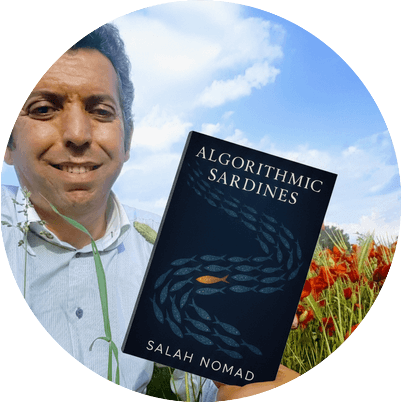
- Algorithmic Sardines — My memoir, the complete journey from olive groves to digital shores


Comments