

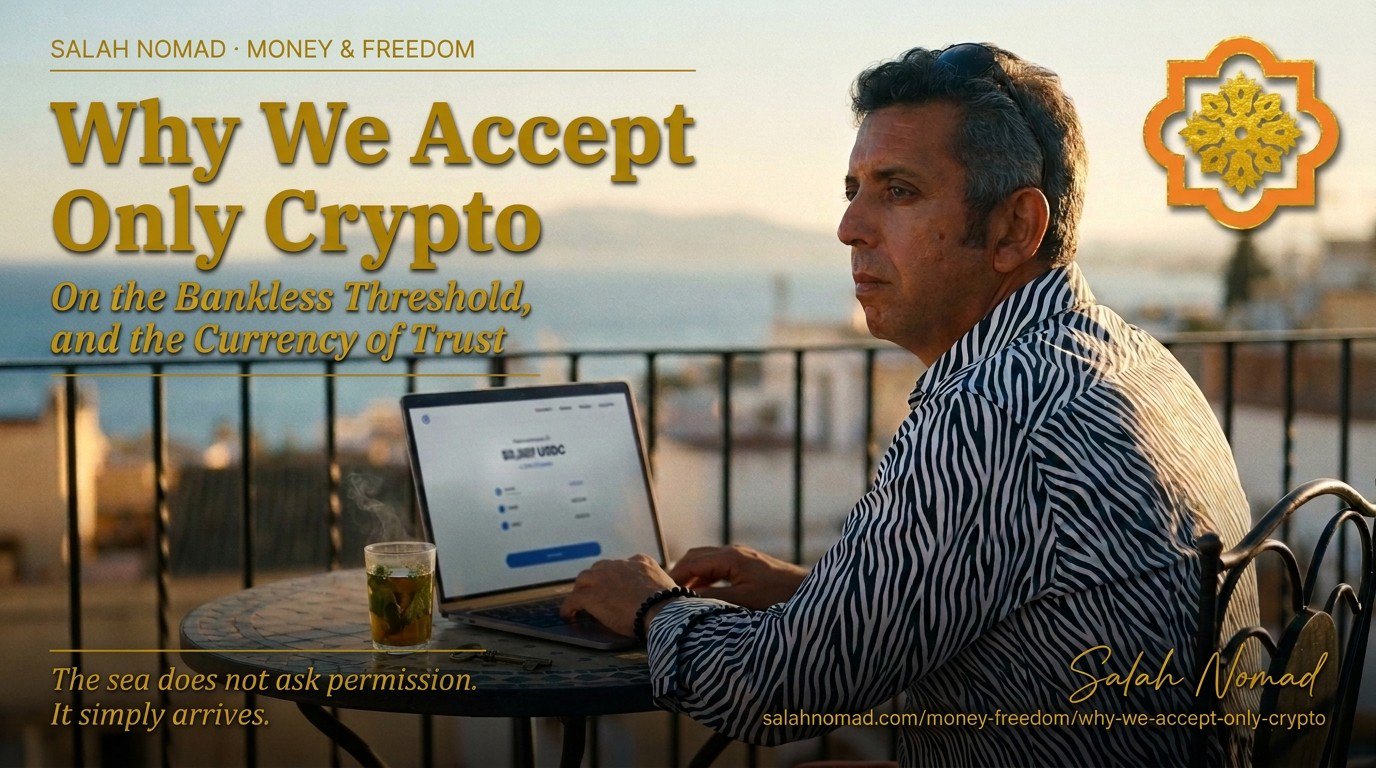
I. The Locked Door
There is a particular kind of silence that falls when you realize the system was never designed to include you.
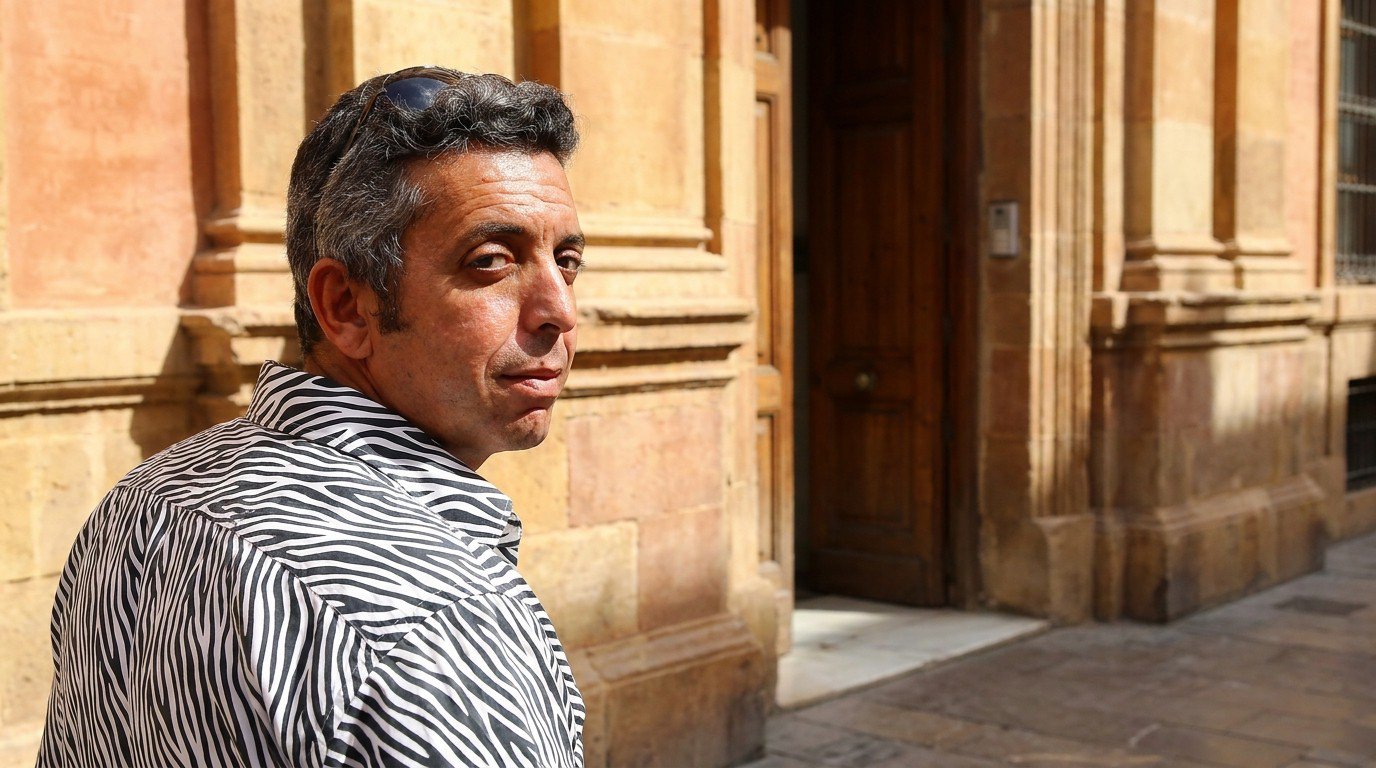
I remember it clearly. It was 2021. I had just finished a conversation with a bank manager in Málaga — a man with kind eyes and clean cuffs who listened patiently to my project, nodded at the right moments, and then explained, without cruelty, that my profile did not fit the framework. I was a Moroccan resident with a dormant company, an inactive tax file, and a digital project that lived in the cloud. He could not open an account for a ghost.
I walked out into the Andalusian afternoon, the light still golden on the Alcazaba, and I felt something shift in my chest. It was not despair. It was a quieter thing — a recognition. I had spent fifteen years crossing borders, building bridges, writing invoices in three languages. And yet, I could not open a simple account to receive payment for my own work.
I was standing at a locked door, holding a key that fit nothing.
That evening, I sat on my terrace and watched the ferries cross the Strait of Gibraltar. The same water that had carried Phoenician traders, Morisco exiles, and migrant sardines. The same current that had never once asked permission to flow between Africa and Europe.
And I understood something that I had known all along, without naming it: value has always moved without permission. It is only institutions that pretend otherwise.
II. What the Souk Knew
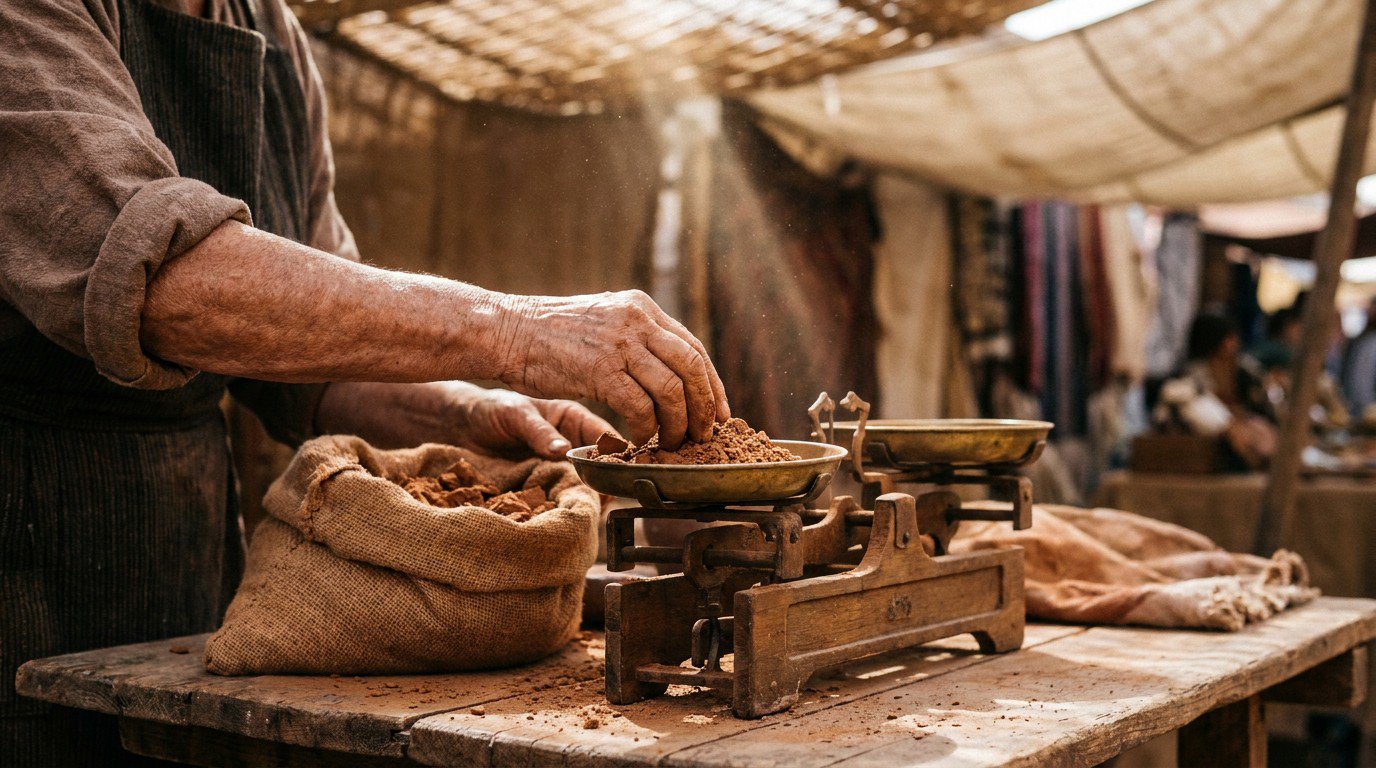
My grandmother traded clay.
Not as a business, strictly speaking — as a woman, in the informal economy of Ksar El-Kébir, she sold ghassoul and argan oil to neighbours, cousins, and the occasional traveler who came through the souk. She never had a bank account. She never had a permit. She never filled a form. Her transactions were sealed with a handshake, a glass of mint tea, and the weight of her reputation in a community that had known her family for four hundred years.
The souk did not need a central authority to function. It needed trust, and it needed flow.
When I moved to Europe, I expected the banks to be an upgrade. They were not. They were a tollbooth. Every transaction came with a form, a fee, a question, a delay. Every account required a story I had to tell again and again, in a language that was not mine, to people who had never eaten a sardine cooked on a wooden skewer by the sea.
The system worked — for others. For me, it was a series of locked doors.
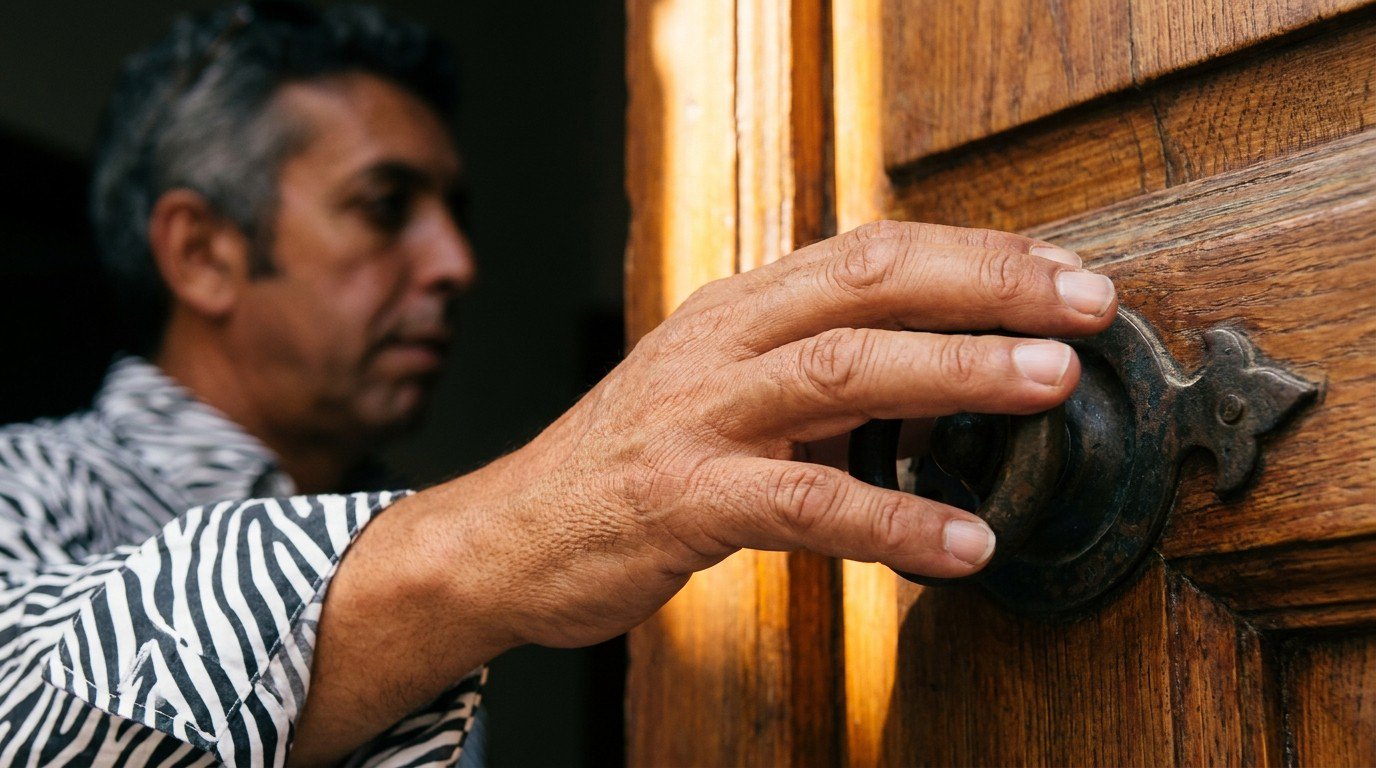
Crypto did not arrive in my life as a political statement. It arrived as a door that was already open. No passport required. No minimum balance. No letters of reference. No explanation of where the money came from or where it was going. Just a wallet, a key, and the freedom to move.
It felt, for the first time in years, like the souk.
III. The Tesla Interlude (And Why It Was Not the Point)
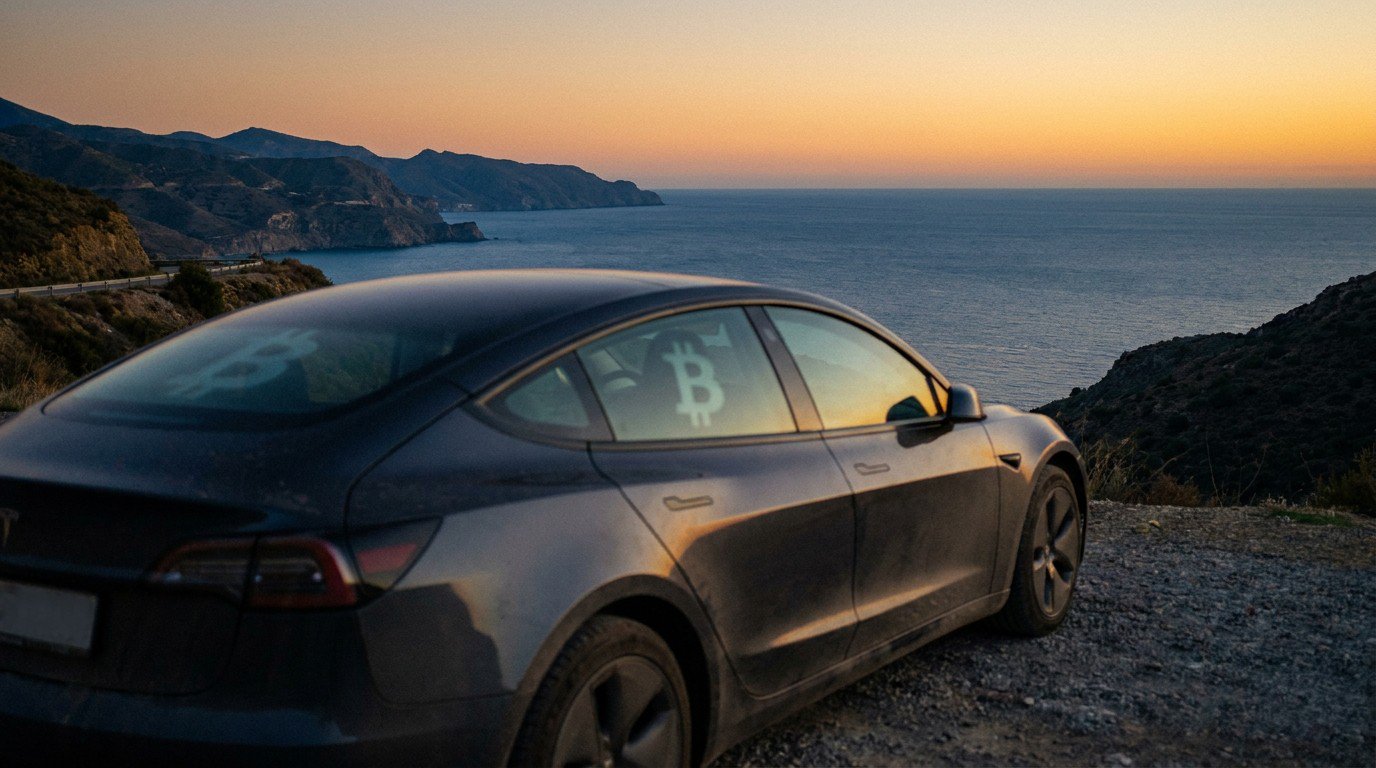
In 2021, Tesla announced it would accept Bitcoin for its cars. The world took notice. The headlines wrote themselves. And then, months later, Tesla reversed its position, citing environmental concerns.
I have thought about that decision many times since.
Because what Tesla did — and what it later undid — is the perfect illustration of the difference between accepting crypto and being crypto-native.
Tesla accepted crypto because it was a signal. A bold, public gesture from a company that already had every other door open. When the signal became inconvenient, they closed the door again.
I am not Tesla. I did not accept crypto as a signal. I accepted it as the only door I had. There was no reversal available to me. There was no alternative rail waiting behind a curtain. There was only this: the open ledger, the permissionless wallet, the current that does not stop at borders.
And here is what I learned in the years since: a door that opens only for you is a hobby. A door that opens for everyone who is ready to walk through it is a movement.
I am not interested in being an early adopter. I am interested in being the bridge.
IV. Why Only Crypto
This is a question I get often. Usually phrased politely. Sometimes with a hint of frustration.
Why not accept credit cards? Why make it harder for your customers? Why not use Stripe, PayPal, Gumroad, anything that everyone already knows?
The answer has three parts.
First — the obvious one. Stripe does not operate in Morocco. Gumroad forces payouts in Moroccan dirhams, which are traceable and seizable by the tax authority that is already pursuing my dormant company. PayPal accepts my money and locks the door behind it. Lemon Squeezy, Sellix, and every other “modern” checkout I have tried eventually reveals the same hidden clause: we do not serve sellers like you.
I did not reject the traditional system. It rejected me first.
Second — the philosophical one. The systems that exclude me also exclude the person I most want to serve: the nomad who is tired of asking banks for permission to exist. The freelancer whose income is in USDC, not euros. The founder who left the banking system not out of ideology, but out of exhaustion. The traveler who has learned that borders are for goods, not for value.
These are my people. And they do not need another Stripe button. They need a signal that says: You are not alone in this. There is a door. I left it open for you.
Third — the one I do not say out loud, but I will say here. Accepting only crypto is also a filter. It filters out the customer who wants to consume without thinking. The one who clicks, buys, forgets. That customer is not my customer. My customer is the one who reads the entire guide. Who takes notes. Who sends me an email six months later to say that the acoustic map of Chamberí saved their marriage. That customer does not mind opening a wallet. That customer is already on the other side of the threshold.
The crypto-only checkout is not a limitation.
It is a quiet handshake at the door.
V. What This Means in Practice
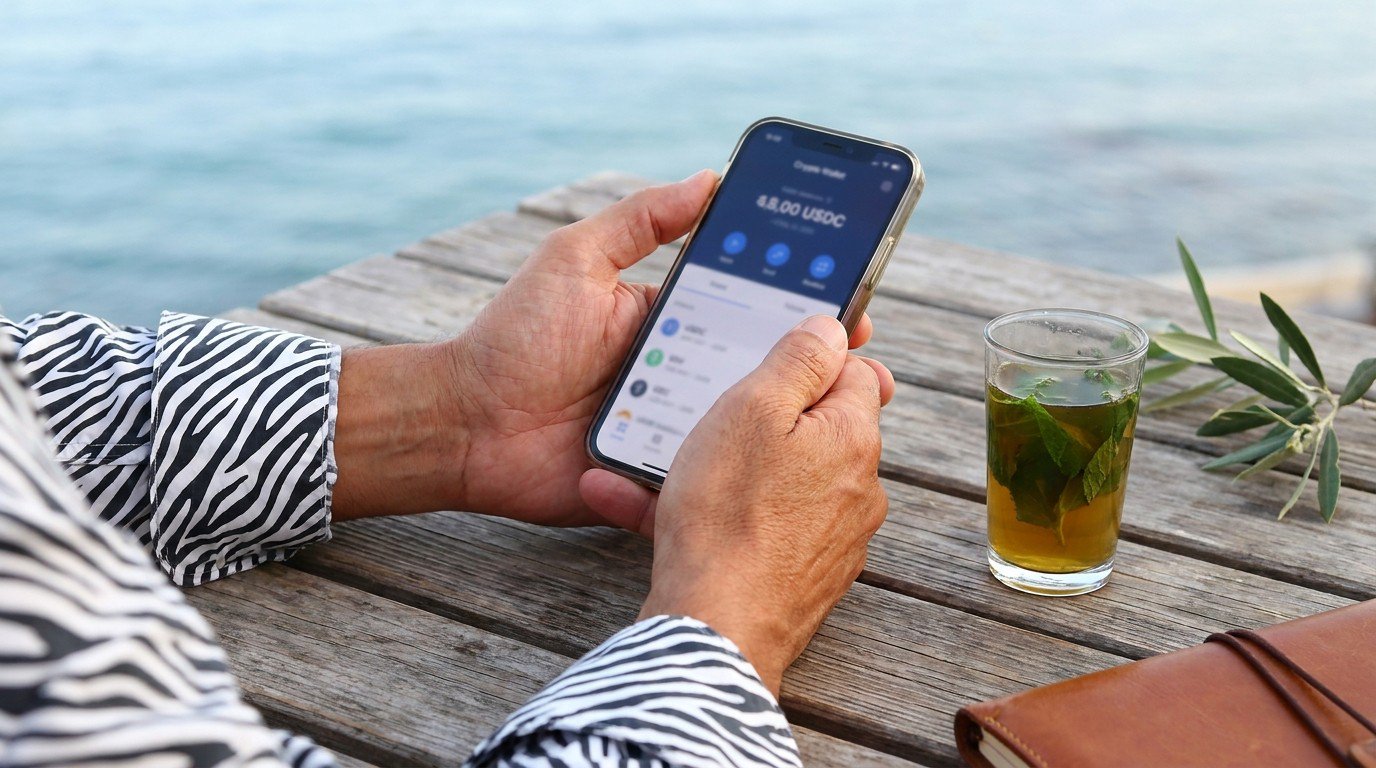
If you are reading this and you already hold crypto, the path is short. Choose your guide, click the button, pay with USDC or BTC, and receive your PDF within minutes. No forms. No waiting. No explanation.
If you are reading this and you do not yet hold crypto, then this page is the threshold. Not a wall — a threshold. I have written a guide for you: How to Pay with USDC. It takes twenty minutes. It does not require a bank. It does not require permission.
And if you are reading this and you find the whole thing eccentric, unnecessary, or simply too much trouble — that is fine. This is not for everyone. It was never meant to be. It was meant for the ones who are already standing on the threshold, looking for a door that opens from the inside.
VI. The Current and the Mooring
There is a Mediterranean proverb I have carried with me for years, though I cannot remember where I first heard it:
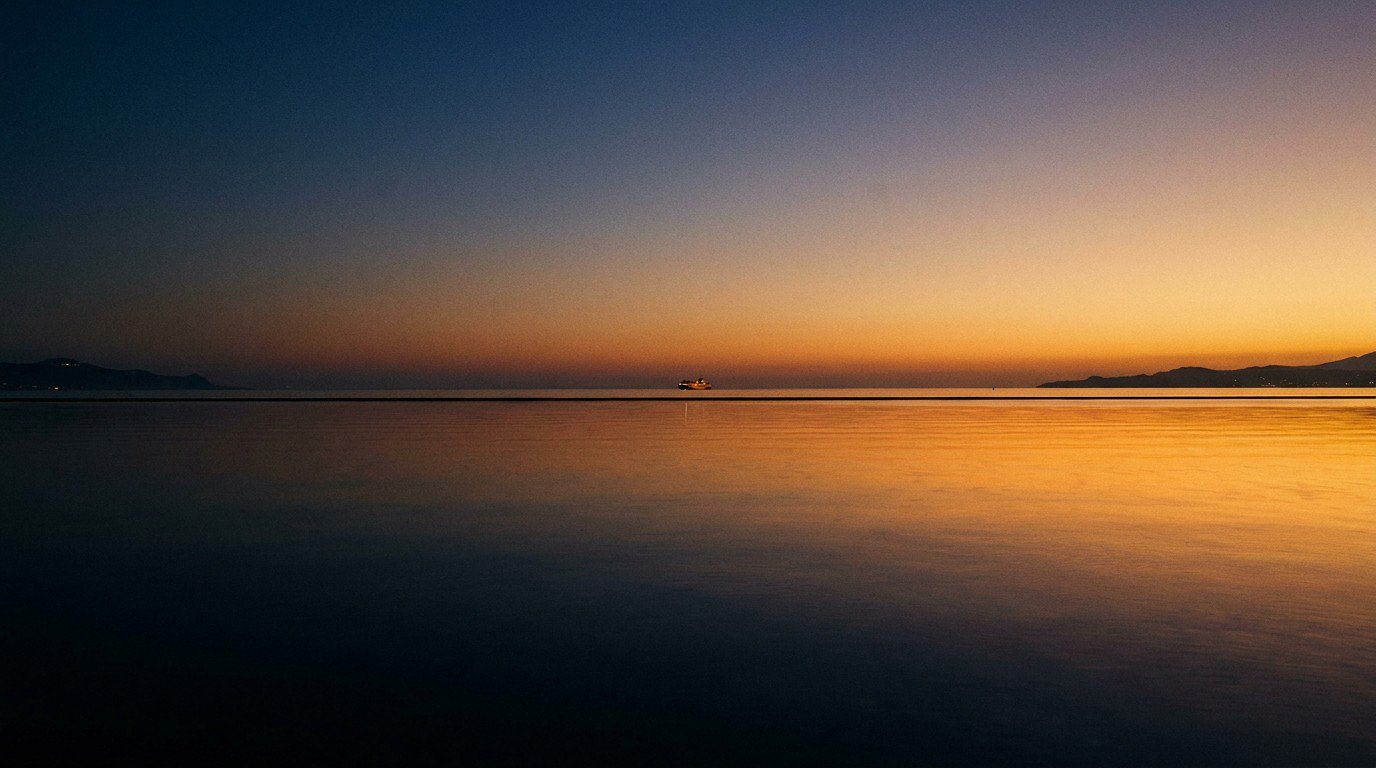
“The sea does not ask permission to touch the shore. It simply arrives.”
I think about that sentence every time someone asks me why I chose this path.
Money, like water, always finds a way. Empires have tried to stop it — Rome, Byzantium, the Spanish Crown, the modern tax authority — and every one of them has failed. The current has always been stronger than the wall.
Crypto is not the future. It is the return. It is the digital equivalent of what my grandmother knew in her souk: that value moves between people who trust each other, and it does not require a palace to bless it.
I accept only crypto because that is the only currency that honours the way value actually flows between shores. It is not a political statement. It is a mooring — a stable point from which I can navigate the turbulence of a world that was not built for people like me.
And if you are reading this, standing at your own locked door, holding your own key that fits nothing — I want you to know that there is another way through.
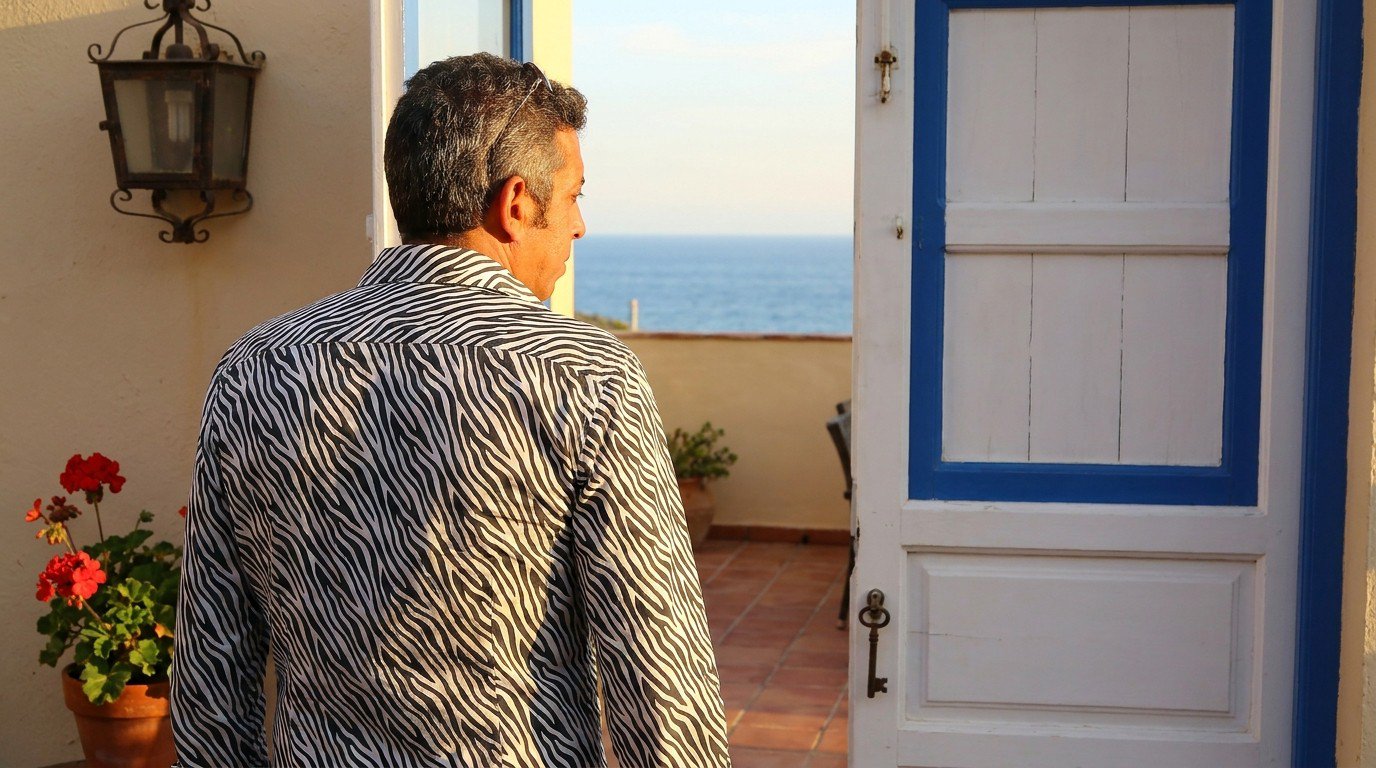
The door opens from the inside.
You only have to reach for it.
If you already hold crypto: Browse the Mediterranean Codex and pay with USDC. The PDF arrives in minutes.
If you don’t yet hold crypto: Read How to Pay with USDC. Twenty minutes. No bank required.
If you are still not sure: Read the Fiscal Trilogy — three articles on crypto, taxes, and sovereignty in Spain. They are free. They will tell you whether this path is for you.
“May you find your soil sooner than I did.”
FAQ
Do you accept credit cards?
What cryptocurrencies do you accept?
Is it safe?
What if I live in a country where crypto is complicated?
Why not just use Stripe like everyone else?
This page belongs to the Money & Freedom silo. Read next: How to Pay with USDC or The Bankless Checkout Manifesto.


Comments