


🎬 The Cinematic Exploration
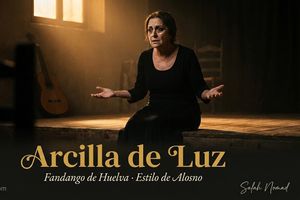
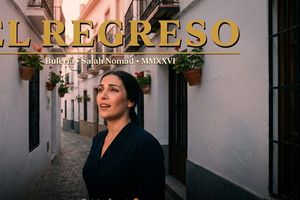
This story was too vast for words alone. I created this flamenco rumba to let you hear the philosophy — the rough warmth of Andalusia in a voice, the compás of a life anchored but not chained. Watch before reading to feel the rhythm, or after to understand the words. The choice, like the song itself, is yours.
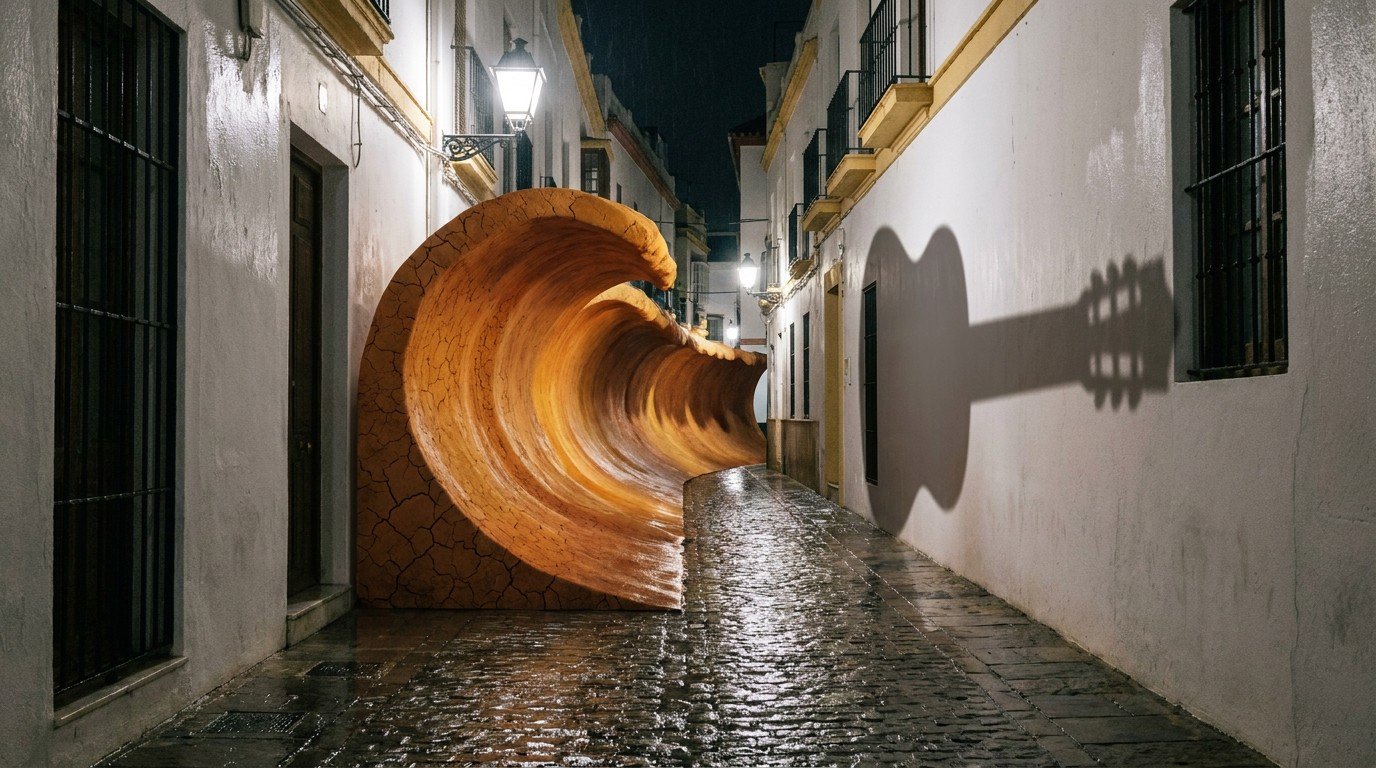
I. What Is the Sound of a Rooted Nomad?
I spent fifteen years navigating the Mediterranean before I understood what I was actually doing.
Not escaping. Not collecting cities like stamps. Not optimizing my tax residency.
I was searching for a place where the wind could still reach me — but where I would choose to stay.
I found it in Málaga. One thousand six hundred and fifty days later, I am still here.
But philosophy, at some point, must become flesh. Or at least sound. That’s why I wrote Nómada de la Bahía — a flamenco rumba born where the Mediterranean meets the digital wind. It’s not a metaphor. It’s a song. A cantaora’s voice, rough and warm, carrying the south in her throat and the 21st century in her suitcase.
“The rooted nomad does not flee. She settles. She does not dream — she is awake.”
II. How Does the Song Unfold? The Three Movements of a Rooted Nomad

Every cante has its structure. This rumba unfolds in three movements that mirror the journey of the rooted nomad.
🧳 Why Was the Departure Not a Real Departure?
The song opens not with arrival, but with a refusal. The cantaora declares she comes from where there are no borders — where time is a canal, not a clock. Her passport is paper. Her life is digital. She has already left, and yet she never left at all.
This is the paradox of the rooted nomad: you carry your home in your chest, so every departure is also a return.
⚓ How Can an Anchor Breathe? The Terrace as a Rooted Home
Then comes the confession: No tengo casa fija, pero tengo un cielo azul — I have no fixed house, but I have a blue sky. No landlord, but I belong.
The chorus answers with the manifesto in four lines:
Soy nómada con raíces que no pesan, que me abrazan, mi maleta es de nubes mi hogar es de terraza.
I am a nomad with roots that do not weigh, that embrace me. My suitcase is made of clouds. My home is a terrace.
The terrace — neither fully inside nor fully outside — is the architectural embodiment of Rooted Nomadism. Open to the sky, grounded in the earth.
🌅 What Does the Rooted Nomad Awaken To?
The bridge is the song’s philosophical core. When the body asks for earth, she plants her feet in the sand. And then the line that took me fifteen years to articulate:
El nómada enraizado no huye, se asienta, no sueña.
The rooted nomad does not flee. She settles. She does not dream — she is awake.
This is the difference between the nomad of 2010 (fleeing) and the nomad of 2026 (choosing). Between drifting and navigating. Between sleepwalking through cities and being fully present in one.
III. What Are the Full Lyrics of Nómada de la Bahía?
📜 Original (Español)
(Ay, Málaga…)
Vengo de donde no hay fronteras, donde el tiempo es un canal, mi pasaporte es de papel pero mi vida es digital.
Ay, que no tengo casa fija pero tengo un cielo azul, ay, que no tengo dueño pero tengo dueño…
Soy nómada con raíces que no pesan, que me abrazan, mi maleta es de nubes mi hogar es de terraza.
Los lunes son para Ronda, los viernes son para Tarifa, y entre medio del trabajo la bahía me notifica.
Y cuando el cuerpo pide tierra, planta los pies en la arena, que el nómada enraizado no huye, se asienta, no sueña.
Soy nómada con raíces que no pesan, que me abrazan, mi maleta es de nubes mi hogar es de terraza.
Salah Nomad, la ruta sin final, porque el nómada que ama ya no es de ningún lugar, y ya es de todos lados. Ay, ole y ole!
📜 English Translation
(Ay, Málaga…)
I come from where there are no borders, where time is a canal, my passport is made of paper but my life is digital.
Oh, I have no fixed house but I have a blue sky, oh, I have no landlord but I have an owner…
I am a nomad with roots that do not weigh, that embrace me, my suitcase is made of clouds my home is a terrace.
Mondays are for Ronda, Fridays are for Tarifa, and in between work the bay sends me a notification.
And when the body asks for earth, she plants her feet in the sand, for the rooted nomad does not flee, she settles, she does not dream.
I am a nomad with roots that do not weigh, that embrace me, my suitcase is made of clouds my home is a terrace.
Salah Nomad, the road without end, for the nomad who loves is no longer from any place, and is now from all sides. Ay, ole and ole!
IV. What Are the Four Pillars That Support the Song?
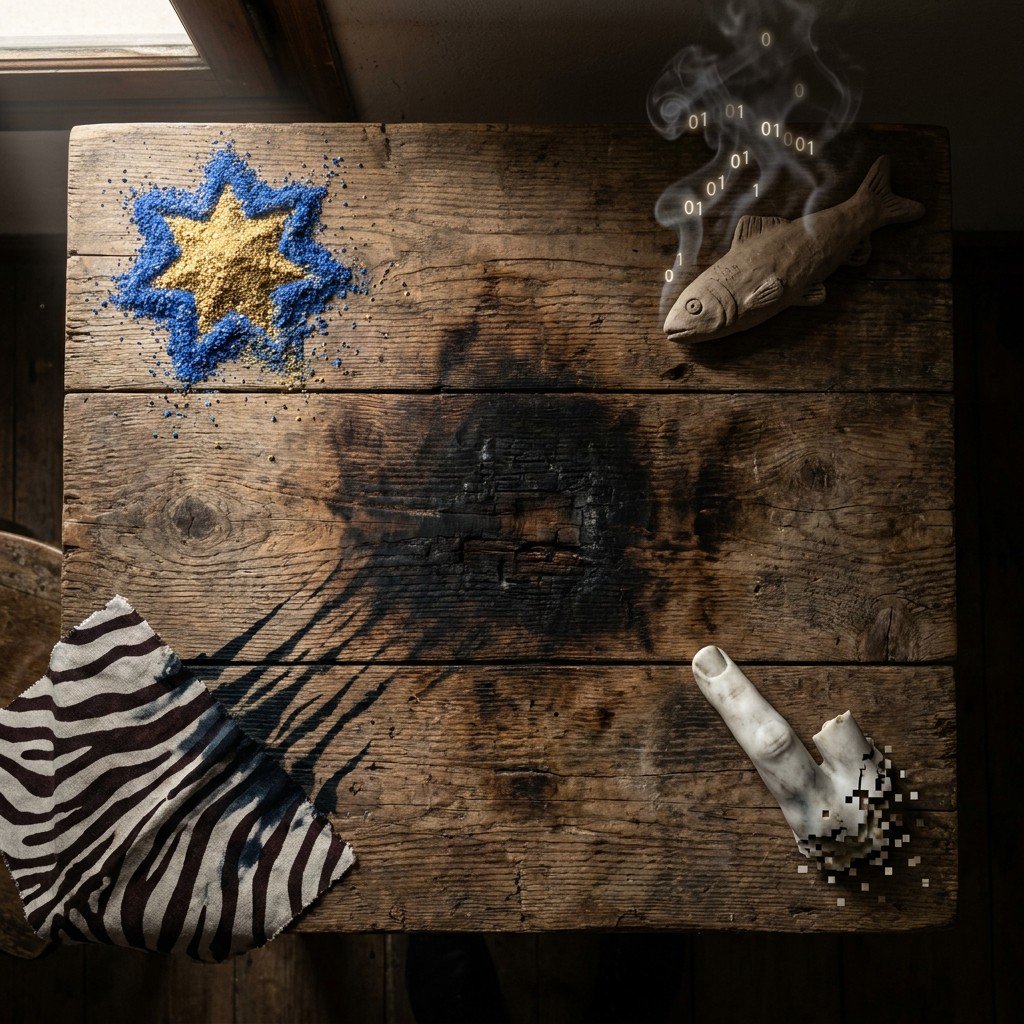
Like the Mediterranean Codex, this song rests on four pillars. They are the same pillars — applied not to relocation, but to creation.
| Pillar | Concept | In the Song |
|---|---|---|
| Resilience through fragmentation | Zellige Blueprint | Each line is a tessera — hand‑cut, imperfect, arranged with intention. The Spanish of the south, where el becomes er and para becomes pa. |
| Purposeful navigation | Algorithmic Sardine | The lyrics move between Ronda and Tarifa — not randomly, but following the nutrient currents of the Costa del Sol. |
| Authentic identity | Zebra Shirt Interface | The cantaora does not hide her accent. Her rough warmth is the signal. She sings as herself, and the right listeners find her. |
| Human‑centered technology | Invisible Tent | Suno AI generated the music. But the voice, the lyrics, the philosophy — those are human. AI was the sextant, not the navigator. |
❓ Frequently Asked Questions About the Song
Why a flamenco rumba? Why not a blog post or a manifesto?
Is the cantaora a real person or an AI voice?
What does 'enraizado' mean, and why is it different from 'arraigado'?
Will there be more songs?
Can I use the song in my own project?
🧭 Where Do You Go From Here? Your Next Step as a Rooted Nomad
The Mediterranean Codex exists because I believe that freedom without roots is just drift. You can move anywhere — but if you want to belong, you need a system. And sometimes, you need a song.
Start with the logistics:
👉 Get the Málaga Relocation Checklist ($29) – the mosaic that saves you the €2,000 “new here” tax.
Then find your soil:
👉 Explore the Neighborhood Guide (free) – match your archetype to a barrio.
And when the sea gets rough:
👉 Read the Safe Harbor 2026 dispatch – for urgent, verified intelligence.
Reflective: Which line of the song stays with you longest? Why that one?
Active:
- Day 1: Listen to the song once with your eyes closed. No screen. Just the voice and the guitar.
- Day 2: Read the lyrics (Spanish or English) while listening. Notice where the translation diverges — those gaps are where culture lives.
- Day 3: Share the line that stayed with you. Tag it with #NómadaDeLaBahía — I’ll personally respond to the first 10 with the story behind that line.
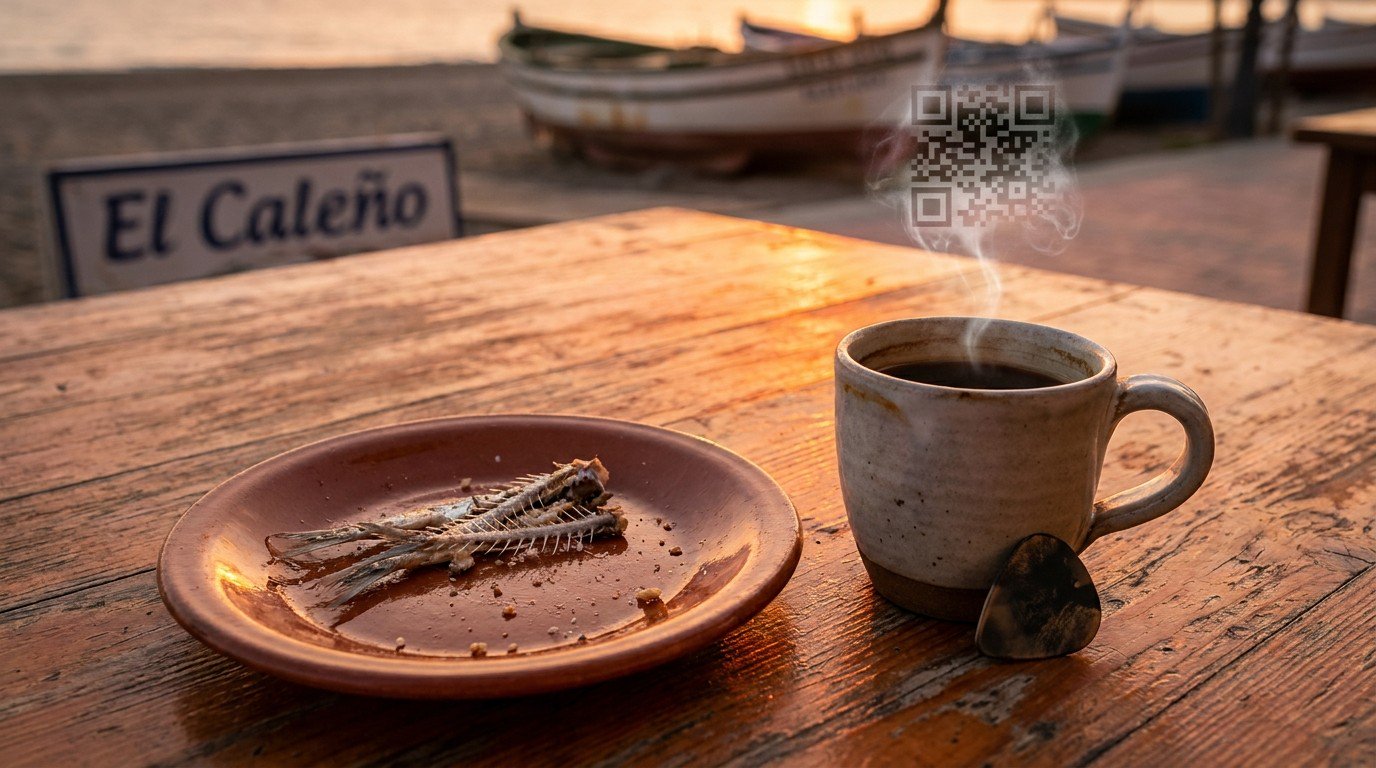
The invitation: If you’re in Málaga, find me at El Caleño in Pedregalejo. I’ll be the one with the zebra shirt, an espeto waiting, and this song playing quietly from a terrace speaker.
🌟 Continuing Your Rooted Journey
“Málaga is my port. The Mediterranean is my story. Welcome to the Codex.” — Salah Nomad Rooted in Pedregalejo since 2021

Comments