

🌊 New to the Rooted Nomadism cycle? Start here:
- 🌴 Nómada de la Bahía — The Rumba of the Day
- 🌙 Raíces Que No Pesan — The Soleá of the Night
- 🌅 El Regreso — The Bulería of the Dawn
🎬 The Cinematic Exploration
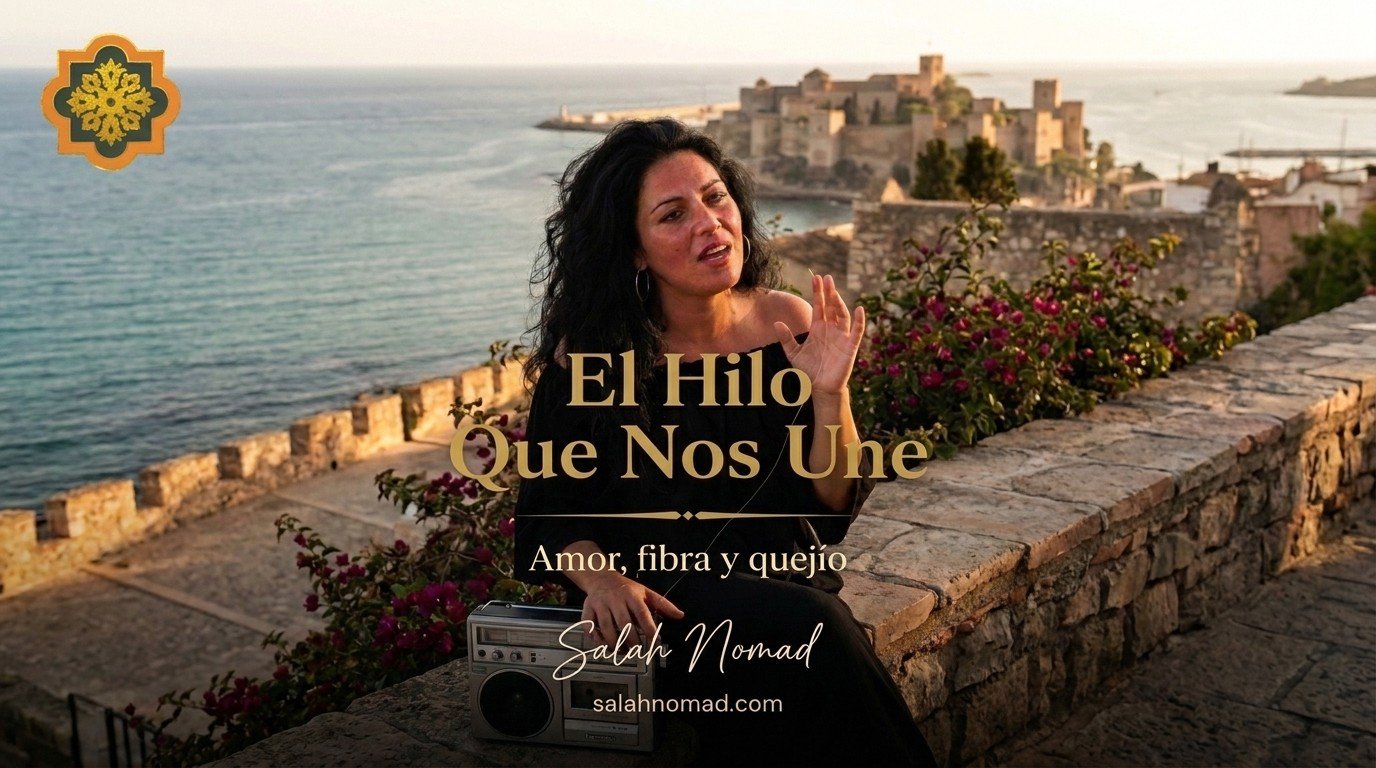
This story needed the sound of a heartbeat — the soleá for the weight of what was lost, the bulería for the pulse of what was found. A gypsy cantaora, from a sun-drenched terrace in Málaga, embodies the invisible thread that binds two shores. Watch before reading to feel the rhythm, or after to understand the philosophy. The thread, like the song, is yours now.
I. What Is the Thread That Borders Cannot Cut?
I have spent the last few weeks building a cycle of seven songs. Day, night, dawn, the wild olive tree, the clay of origin, the tears of the strait, and the continuation — the bone remembering bone. Each one gave voice to a different facet of the philosophy I call Rooted Nomadism.
But a cycle has no closure if it has no thread.
Before the philosophy, before the book, before the nomad who chose Málaga as his threshold — there was a connection. A voice on the other end of a screen. A light that did not illuminate, but revealed. A thread that stretched between two shores, thinner than a hair, stronger than any visa, more real than any border drawn on a map.
El Hilo Que Nos Une is the voice of that thread. It is not a love song. It is a map of connection — of what happens when two souls build a cathedral in the ether, word by word, pixel by pixel, only to discover that the physical world demands a permission slip for what the digital world granted freely.
This is the origin story of the Rooted Nomad. Not the brand. The conviction.
“The rooted nomad knows that the most brutal frontiers are not drawn by cartographers, but by bureaucrats with stamp pads. And that water — like love, like data, like the human heart — never asks for a visa, yet connects all shores.”
II. The Philosophy of the Thread: What This Song Is Really About
The song is not about love. It is about borders rendered obsolete by the heart.
🧵 Why Is the Thread Invisible?
The thread is not visible because it is not physical. It is not a cable, not a wire — though the song uses the metaphor of cable and fibra to anchor it in the tangible world. The real thread is the connection that survives when the screen goes dark. It is the memory of a voice that said I know when you said I love you at the hour when the world sleeps. It is the architecture of a bond that no consulate can stamp, no bank can dismiss, no airport goodbye can sever.
The invisible thread is the opposite of a visa. A visa is a permission slip from a government. The thread is a permission slip from the soul — granted freely, irrevocably, without expiration date.
🔌 Why Does the Cable Separate and Unite at the Same Time?
The chorus sings: Ay, hilo que nos une, ay, cable que nos separa — Thread that unites us, cable that separates us.
This is the paradox of digital connection. The very technology that allowed two souls to meet — the screen, the keyboard, the fiber optic cable under the Atlantic — is also the reminder of the physical distance between them. The cable is a bridge and a wound at the same time. It carries the voice, but it cannot carry the body. It transmits the confession, but it cannot transmit the embrace.
The philosophy of the thread is not to resolve this paradox. It is to live inside it.
📜 Why Is the Wall Made of Paper?
Me dijeron: eres contradicción, eres frontera — They told me: you are contradiction, you are border.
The wall is not made of stone. It is made of paper. Stamps, forms, signatures, decisions made in offices by people who have never loved what you love. The most brutal borders are bureaucratic. They do not ask if your souls recognized each other. They ask if your documents are in order.
And here is the philosophical pivot of the song — the lesson that took years to crystallize:
Pero él me enseñó que la libertad no es un lugar — But he taught me that freedom is not a place.
Freedom is not a country. It is not a visa. It is not a border you cross. It is an operating system you run your life on.
III. Where the Song Came From
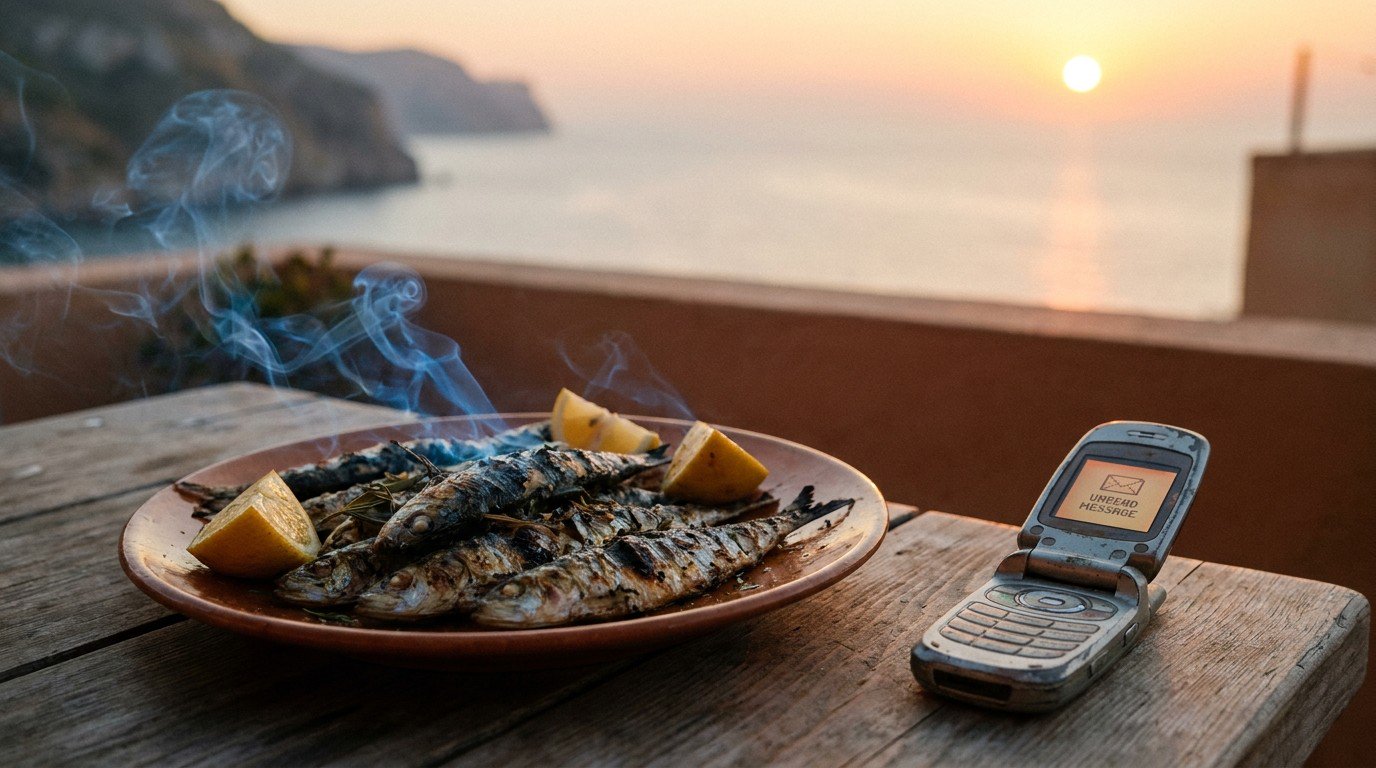
It was July 2026, on a beach in Málaga. I was waiting for an order of grilled sardines, cooked the Málaga way — the famous espetos. And while I waited, my thoughts drifted to the grilled sardines of Larache, the beach closest to Alcazarquivir, where my story began.
When the server placed my plate — those delicious sardines, golden, smoking — I felt a wild urge to share them. Not with just anyone. With the shadow of a friend, and all the memories she carries. The sardines became my messengers between Larache and Málaga. Two beaches. One sea. And a dish too beautiful to eat alone.
I wrote the lyrics that same evening. They came out like a splinter removed.
The thread this song speaks of is not a metaphor. It exists. It is stretched between two lives, two shores, two eras. And it still holds.
IV. How Does the Soleá Unfold? The Three Movements of the Thread
💻 Why Does the Screen Glow in the Dark?

The song opens with a memory of digital connection. Te vi en una luz sin cuerpo, fría como el mes de enero — I saw you in a bodiless light, cold as the month of January.
The screen is cold. It has no arms, no warmth, no smell of cedarwood or coffee. But it carries the voice. And the voice carries the soul.
The quejíos and jaleos that open the song are not decoration. They are the sound of the thread being born — the cry of recognition when a voice on the other end of a cable says something only your soul could understand.
💔 Why Does the Paper Tear?

The second movement is the wall. The chorus explodes with the word Ay — not a note, a grito. The cable that united is now the cable that separates. The papers arrive. The visa is denied. The dream of a shared life is reduced to a stack of forms with a red stamp.
But here is the turn: the song does not stay in lament. The bridge arrives — Me dijeron: eres contradicción, eres frontera — and with it, the philosophical pivot. The wall is real, but the thread is realer.
🕊️ Why Does the Thread Remain?

The third movement is the cierre. The final lines — El hilo sigue tendido… No te toco, no te olvido — are not a lament. They are a statement of fact.
This is the victory. Not the victory of reunification — the bodies may never share the same shore again. But the victory of meaning. The thread did not break. It held. It still holds.
And that holding is, in itself, the proof that borders are constructs — reinforced by bureaucrats and bank managers and our own limited imaginations — but ultimately powerless against the human heart.
V. What Are the Full Lyrics of El Hilo Que Nos Une?
📜 Original (Español)
[Intro - Jaleos] ¡Ay!… ¡Ay! ¡Ay! ¡Le-le-le-le-le-le!… ¡Ay! ¡Le-le-le-le!… ¡Ay! ¡Ay! ¡Ay!
[Verse 1] Te vi en una luz sin cuerpo, fría como el mes de enero. Era tu voz un lucero que no alumbra, solo siento.
[Verse 2] Hablamos sin conocernos, dos sombras en un teclado. Yo te amé sin tenerte, tú me amaste sin tocarnos.
[Estribillo] ¡Ay! ¡Ay! ¡Lo que nos une! ¡Ay! ¡Ay! ¡Cable que nos separa! Lo que la noche nos dijo, el alba nos lo callara.
[Bridge] Me dijeron: eres contradicción, eres frontera. Pero él me enseñó que la libertad no es un lugar, que ser raíz y ser río no es mentira, es… continuación.
[Final] ¡Ay! ¡Ay! ¡Hilo que nos une! ¡Ay! ¡Ay! ¡Muro que nos levantan! El hilo sigue tendido… No te toco, no te olvido… Ay… continuación.
Salah Nomad.
📜 English Translation
[Intro - Vocal calls] Ay!… Ay! Ay! Le-le-le-le-le-le!… Ay! Le-le-le-le!… Ay! Ay! Ay!
[Verse 1] I saw you in a bodiless light, cold as the month of January. Your voice was a distant star that does not illuminate — I only feel it.
[Verse 2] We spoke without knowing each other, two shadows on a keyboard. I loved you without having you, you loved me without touching me.
[Chorus] Ay! Ay! What unites us! Ay! Ay! Cable that separates us! What the night told us, the dawn would silence.
[Bridge] They told me: you are contradiction, you are border. But he taught me that freedom is not a place, that being root and being river is not a lie, it is… continuation.
[Final] Ay! Ay! Thread that binds us! Ay! Ay! Wall they raise against us! The thread is still stretched… I do not touch you, I do not forget you… Ay… continuation.
Salah Nomad.
VI. What Are the Four Pillars of the Thread?
| Pillar | Concept | In the Song |
|---|---|---|
| The Screen | Connection | The cold light that reveals without illuminating. The glowing rectangle where two solitudes became a dialogue. |
| The Cable | Paradox | The fiber optic thread that unites and separates at the same time. It carries the voice across the sea — but it cannot carry the embrace. |
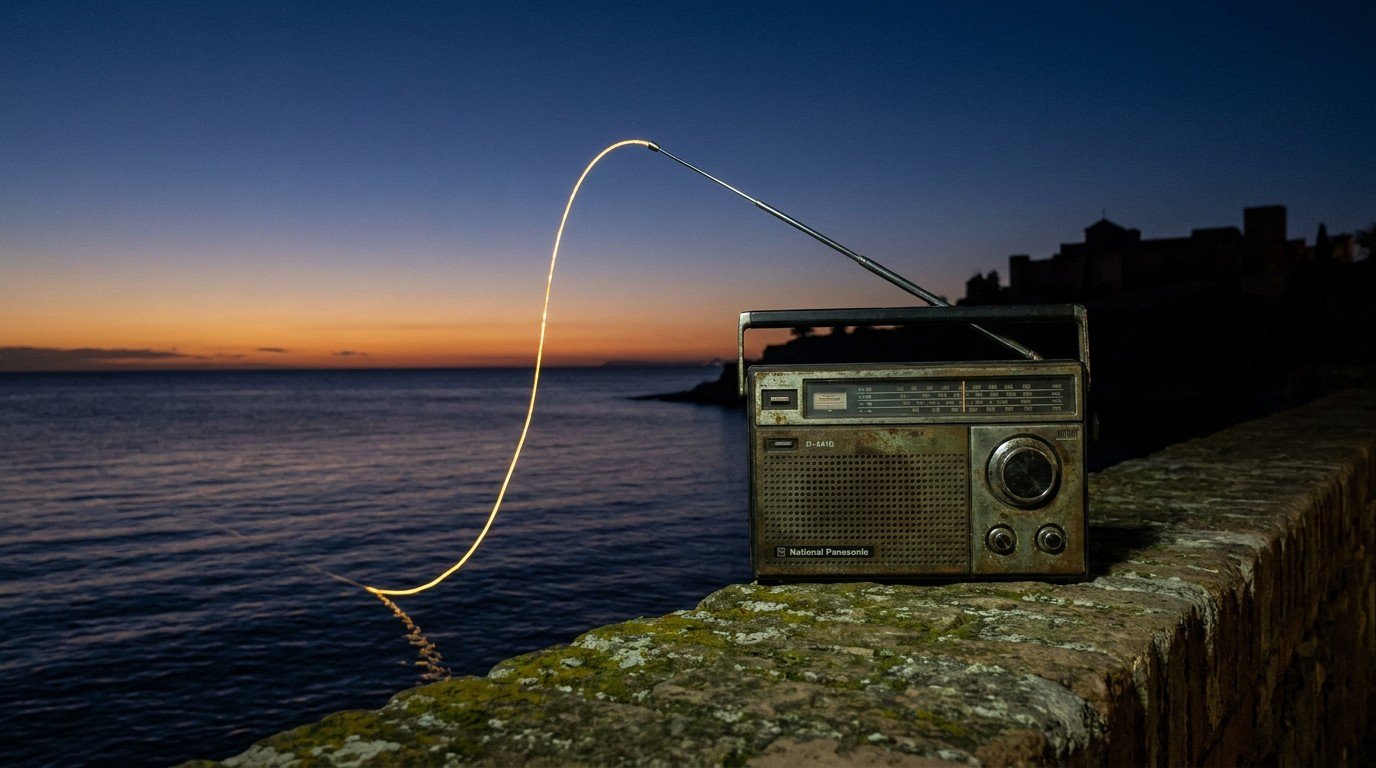
| The Radio | Memory | The Panasonic R-441B, the first starship. Before the screen, there was the shortwave. The thread has always been there. |
| The Broken Stamp | Liberation | The visa denied, the paper torn, the permission slip rendered obsolete by a heart that learned to stop asking. |
❓ Frequently Asked Questions
Why a soleá por bulerías for this song?
What is the 'thread' in the song?
Is this a true story?
How does this song connect to Rooted Nomadism?
Who is the cantaora behind the voice?
Will there be more songs?
🧭 Where Do You Go From Here?
📖 If this song stirred something in you, the complete story — every detail, every word — is waiting in my book Algorithmic Sardines.
👉 Get Algorithmic Sardines here
🎬 Watch the Short film (2:30) and share it with someone who knows the weight of a border — and the strength of a thread.
👉 El Hilo Que Nos Une on YouTube
- 🌴 Nómada de la Bahía — The Rumba of the Day
- 🌙 Raíces Que No Pesan — The Soleá of the Night
- 🌅 El Regreso — The Bulería of the Dawn
- 🌳 Bari-ya — The Voice of the Witness
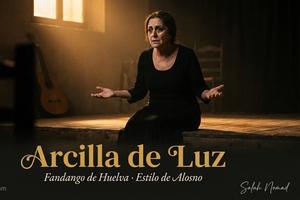
- 🕊️ Arcilla de Luz — The Clay That Sings
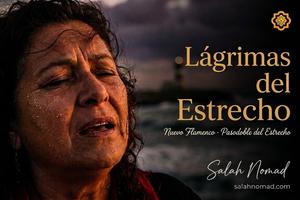
- 💔 Lágrimas del Estrecho — The Tears of the Strait
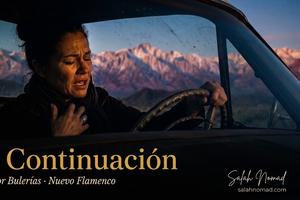
- 🦴 La Continuación — Bone Remembering Bone
- 🧵 El Hilo Que Nos Une — The Thread That Borders Cannot Cut
Reflective: What is your thread? What is the connection — to a person, a place, a memory — that has survived distance, silence, and the passage of time?
Active:
- Day 1: Listen with your eyes closed. Where does the thread take you?
- Day 2: Read the lyrics while listening. The gaps between Spanish and English are where the thread vibrates.
- Day 3: Write down the name of a thread in your own life. A connection that should have broken — but didn’t. What kept it alive?
The invitation: If you are in Málaga, find me at El Caleño at dusk. I will be the one with a plate of sardines and a thread of fiber optic light between my fingers.
🌟 Continuing Your Rooted Journey
- Nómada de la Bahía: The Flamenco Rumba of the Rooted Nomad
- Raíces Que No Pesan: The Nocturnal Side of Rooted Nomadism
- El Regreso: The Dawn of Rooted Nomadism
- Bari-ya: The Wild Olive Tree Speaks
- Arcilla de Luz: The Clay That Dances
- Lágrimas del Estrecho: The Tears of the Strait
- La Continuación: Bone Remembering Bone
- The Olive Tree and the Algorithm: The Mediterranean Codex Manifesto
- Rooted Nomadism: The Complete Philosophy
- Algorithmic Sardines: The Book
“The thread does not break because a consulate says no. It is made of something older than paper, more durable than stamps, more real than any border drawn on a map. It is made of the human heart — and the human heart does not ask for permission to love.” — Salah Nomad Rooted in Pedregalejo since 2021
Comments