What Is the Paradox of the Modern Digital Nomad?
I moved to Málaga in 2021, not because it was the cheapest option or the most hyped, but because I needed to stop running. After years of chasing horizons – from Avignon to Casablanca, Valencia to Barcelona – I realised I had collected passport stamps but lost my story.
The digital nomad dream promises freedom, but too often delivers something else: a quiet, creeping ghorba – the Arabic word for exile. You can work from anywhere, but you belong nowhere.
That’s when I began building what I now call the Mediterranean Codex. Not a collection of tips, but a system. A way to move without losing yourself, to plant roots that travel with you.
What Does It Mean to Anchor Without Being Anchored?
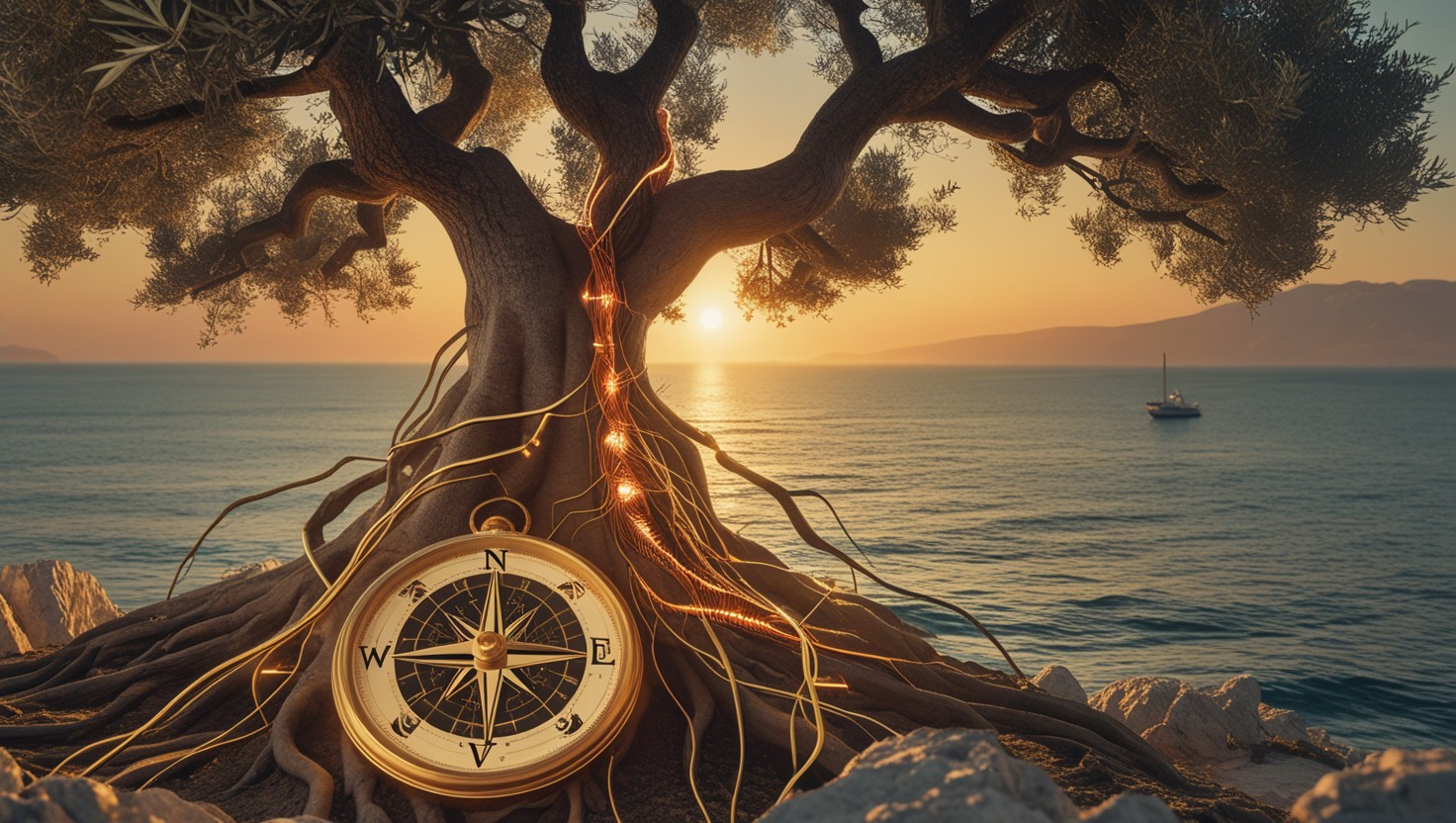
In the Jbala mountains of Morocco, the bari‑ya (wild olive tree) stands as a witness to generations. Its roots reach deep into the assal – the origin, the essence of the land. Yet its branches move freely with the wind.
The tree taught me that belonging is not a fixed point. It’s an internal protocol. When you carry your essence with you, you can be in motion without being adrift.
The Mediterranean Codex is built on four pillars that translate this ancient wisdom into practical resources for relocation.
How Does Resilience Require Fragmentation? (The Zellige Pillar)
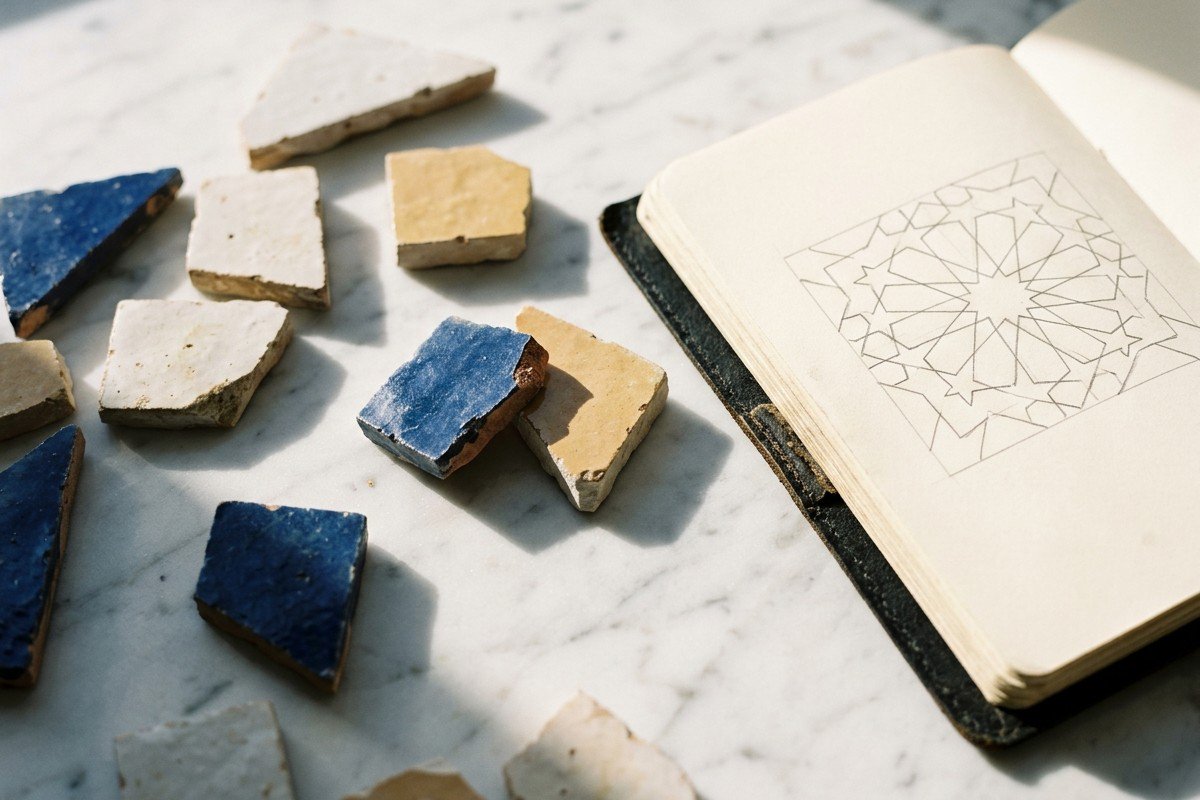
In the Moroccan tradition of zellige, a mosaic is not built from identical tiles. Each piece is hand‑cut, unique, and arranged with precision to form a harmonious whole. The resilience of the final work lies in its fragmentation – if one tile cracks, the pattern survives.
I apply this logic to relocation. Instead of treating your move as a monolithic event, we break it into three layers:
- Tesserae – atomic tasks: gather documents, open a bank account, apply for the NIE.
- Stellae – projects: secure housing, register for healthcare, find a coworking tribe.
- Musivum – your life’s grand design: what kind of rooted life do you want to build in Spain?
This fragmentation is exactly how the Málaga Relocation Checklist is structured. You don’t get a 50‑page overwhelming guide. You get a step‑by‑step mosaic: each tessera verified for March 2026, each stella mapped to a realistic timeline, and the entire process aligned with your deeper purpose.
“Salah’s checklist saved me €200 in my first month alone. I knew exactly which neighborhood to pick and which lawyer to call before I even landed.”
How Do You Navigate Without Wandering? (The Algorithmic Sardine)
Every spring, sardines migrate through the Strait of Gibraltar. They don’t wander aimlessly – they follow invisible nutrient currents between Morocco and Spain. Their movement enriches both shores.
I call this the Algorithmic Sardine philosophy. You, too, can move with purpose: choose destinations that nourish you, carry value between ecosystems, and leave a positive wake.
In the Mediterranean Codex, this pillar becomes the Neighborhood Guide 2026. Instead of listing every barrio, I’ve matched neighborhoods to archetypes – so you can find the soil that fits your rhythm.
The guide doesn’t just tell you prices – it asks: Do you need silence to create? Do you thrive on serendipity? Do you want to be part of a local community? Your answer points you to the right current.
Why Is Authenticity Your Most Powerful Interface? (The Zebra Shirt)
During the Avignon Festival, I wore a zebra‑striped shirt that became an accidental interface. It was bold, unapologetic, and it attracted the right people – not because it was stylish, but because it was true.
Identity, when expressed clearly, acts as a signal in the noise. It helps you find your tribe and, more practically, it helps you find trustworthy professionals who recognise your needs.
That’s why the Black Book – a vetted list of lawyers, agents, and notaries – is part of the Relocation Checklist. These aren’t random names from forums; they’re people I’ve worked with personally. They know how to treat a rooted nomad, not a tourist.
Can Artificial Intelligence Help You Anchor Without Losing Humanity? (AI as Invisible Tent)
When the Gulf crisis hit in early 2026, thousands of expats needed answers now. I used AI tools to help write the Safe Harbor 2026 article – but I didn’t let the machine navigate.
The human heart must remain the navigator; AI is the sextant that calculates the fastest route, but it can’t tell you where you want to go.
The Safe Harbor piece is a perfect example: AI helped me structure the information rapidly, but every piece of advice, every contact, every nuance came from my own 12 years of Mediterranean navigation. You get speed without losing soul.
Read the Safe Harbor article →
The 4 Pillars of the Mediterranean Codex
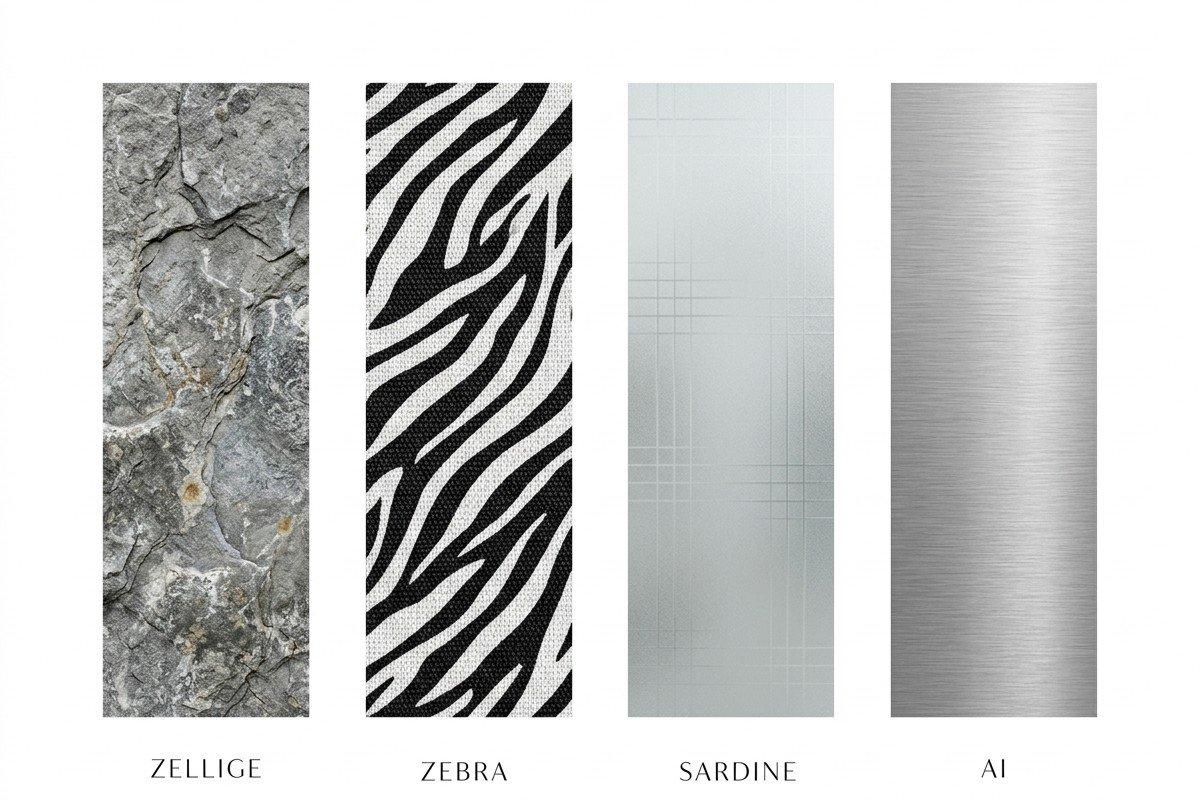
| Pillar | Concept | Resource |
|---|---|---|
| Resilience through fragmentation | Zellige Blueprint | Málaga Relocation Checklist |
| Purposeful navigation | Algorithmic Sardine | Neighborhood Guide 2026 |
| Authentic identity | Zebra Shirt Interface | Black Book (inside the Checklist) |
| Human‑centered AI | Invisible Tent | Safe Harbor 2026 article |
What Is the Difference Between a Well and a River? (The Final Metaphor)

My cousin Momo once looked at the lights of Paris from the Parc des Buttes‑Chaumont and said:
“You are a river. I am a well. We both seek water.”
A river moves, a well stays deep. But both are defined by their relationship to the source. In the Mediterranean Codex, the river is your movement – the checklist, the guide, the logistics. The well is your belonging – the philosophy, the ritual, the rootedness.
Your first step is to be the river: download the Checklist, map your barrio with the Neighborhood Guide, and, if a storm is coming, anchor yourself with the Safe Harbor dispatch.
Your second step is to become the well: let these resources fade into the background as you build your own rituals in Málaga – your baker, your bench, your morning path.
Frequently Asked Questions: What Do You Still Need to Know?
What’s the difference between the Rooted Nomadism philosophy and this Mediterranean Codex Manifesto?
Are the 2026 data in the resources really verified?
Can I use the Codex if I’m not a digital nomad but just moving to Málaga?
What’s the first step if I want to relocate in 2026?
Step 2: Read the Neighborhood Guide to choose your barrio.
Step 3: If you’re coming from the Gulf or need urgent updates, check the Safe Harbor article.
Step 4: Join the waitlist for Valencia, Barcelona, Seville, or Granada to be the first when those checklists launch.
I don’t see my favorite barrio in the guide. What should I do?
Your Next Anchor
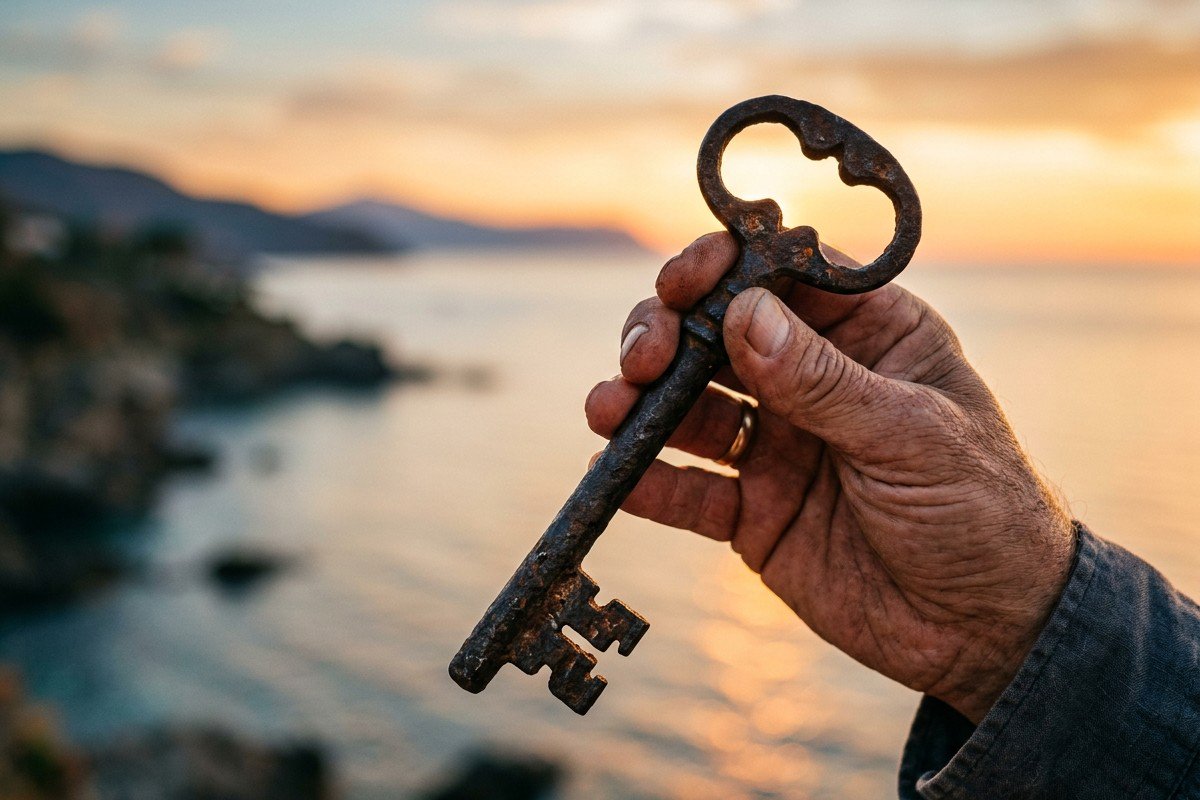
The Mediterranean Codex exists because I believe that freedom without roots is just drift. You can move anywhere – but if you want to belong, you need a system.
Start with the logistics:
👉 Get the Málaga Relocation Checklist ($29) – the mosaic that saves you the €2,000 “new here” tax.
Then find your soil:
👉 Explore the Neighborhood Guide (free) – match your archetype to a barrio.
And when the sea gets rough:
👉 Read the Safe Harbor 2026 dispatch – for urgent, verified intelligence.
Reflective: Which of the four pillars speaks most to your current relocation stress?
Active:
- Day 1: Download the Checklist and read the “5 Fatal Mistakes” section.
- Day 2: Walk your target neighborhood at 8 AM, 2 PM, and 10 PM (virtually via Google Maps if you’re not in Spain yet).
- Day 3: Share your chosen barrio with #MyMalagaSoil – I’ll personally respond to 10 of you with a local tip.
The invitation: Come find me at El Caleño in Pedregalejo once you’ve anchored. I’ll be the one with the zebra shirt and an espeto waiting.
“Málaga is my port. The Mediterranean is my story. Welcome to the Codex.”
— Salah Nomad
Rooted in Pedregalejo since 2021
Comments